
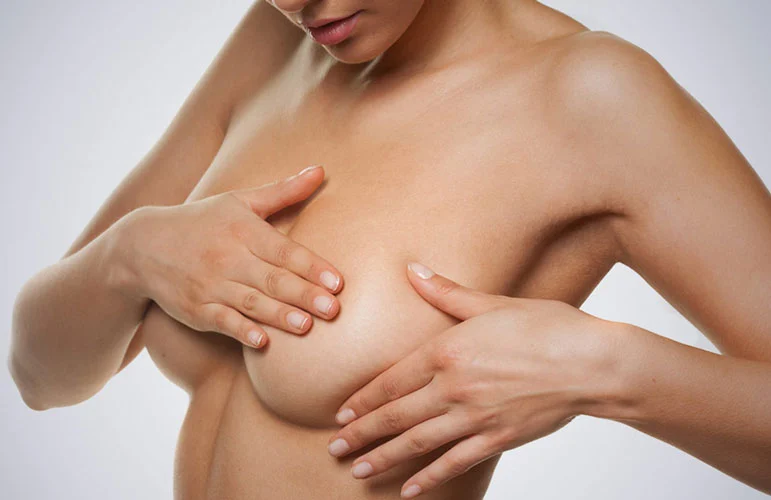
Nipple shape and appearance vary naturally from person to person. However, when one or both nipples turn inward instead of projecting outward, the condition is known as inverted nipples. For some individuals, this is a lifelong anatomical feature, while others may notice changes following pregnancy, breastfeeding, ageing, or other breast-related conditions.
Although inverted nipples are often harmless, they can sometimes cause self-consciousness, difficulties with breastfeeding, or concerns about breast health. Understanding the causes and available treatment options can help you make an informed decision.
If you are searching for inverted nipple correction near me, Dr. Amiti Shah at Shah Superspeciality Clinic in Gamdevi, Mumbai, offers consultation for patients considering surgical correction.
What Is Inverted Nipple Correction?
Inverted nipple correction is a surgical procedure designed to release the structures pulling the nipple inward, allowing it to project outward more naturally. The treatment is planned according to the degree of inversion, the underlying cause, and the patient’s goals.
Nipple inversion can affect one or both breasts. In some cases, the nipple may protrude temporarily when stimulated or exposed to cold, while in others it remains retracted.
The condition is commonly classified by severity:
- Mild inversion: The nipple can protrude with stimulation but may retract afterward.
- Moderate inversion: The nipple can be brought outward but does not remain projected easily.
- Severe inversion: The nipple remains pulled inward and may be difficult to bring outward manually.
This classification helps guide treatment discussions, although a clinical examination is necessary to determine the most appropriate approach.
What Causes Inverted Nipples?
Several factors may contribute to nipple inversion.
1. Congenital anatomy: Some people are born with inverted nipples because the milk ducts or surrounding connective tissues are relatively short or tethered.
2. Pregnancy and breastfeeding: Changes in breast tissue during pregnancy and lactation can affect nipple shape and projection.
3. Age-related changes: Changes in skin elasticity and breast tissue over time may contribute to alterations in nipple appearance.
4. Scarring or previous surgery: Trauma, inflammation, or previous breast procedures can sometimes lead to tissue tightening and nipple retraction.
5. Underlying breast conditions: In some cases, infection or another breast condition can cause the nipple to turn inward.
An important distinction is whether the inversion has always been present or has developed recently. New, sudden, or one-sided nipple inversion—particularly when accompanied by a lump, bloody discharge, skin changes, or persistent pain—requires prompt medical evaluation. It should not automatically be treated as a cosmetic concern.
Who May Consider Inverted Nipple Correction?
Surgical correction may be considered by adults who experience persistent nipple inversion and wish to change its appearance or address related concerns.
Potential reasons to seek consultation include:
- Feeling uncomfortable or self-conscious about nipple appearance.
- Difficulty keeping the nipple projected outward.
- Challenges with breastfeeding or nipple attachment.
- Persistent inversion that affects confidence or personal comfort.
- Nipple retraction following a previous breast procedure, once the underlying cause has been assessed.
Not everyone needs surgery. If the inversion is longstanding, causes no symptoms, and is not associated with concerning changes, treatment may be entirely optional. A specialist can help you understand whether correction is appropriate for your situation.
How Is Inverted Nipple Correction Surgery Performed?
The surgical technique depends on the degree of inversion and the anatomy of the nipple.
Nipple inversion often occurs when short milk ducts or fibrous bands pull the nipple toward the chest wall. In a corrective procedure, the surgeon releases the structures responsible for the retraction and supports the nipple in a more outward position.
The procedure may involve the following stages:
Consultation and assessment: The surgeon reviews your medical history, examines the breasts, evaluates the degree of inversion, and discusses your desired outcome. Any recent changes or unusual symptoms must be assessed before cosmetic surgery is considered.
Surgical planning: The surgeon explains the proposed technique, anaesthesia, potential scars, expected results, and possible effects on nipple sensation and breastfeeding.
Correction procedure: Depending on the individual case, surgery may be performed under local or general anaesthesia. It is often undertaken as a day-care procedure, although the setting and anaesthesia plan depend on clinical requirements.
Postoperative care: You receive instructions on wound care, dressing changes, activity restrictions, and follow-up appointments.
The goal is to achieve a natural-looking nipple projection while balancing the risks of recurrence, scarring, altered sensation, and damage to milk ducts.
Can Inverted Nipple Correction Affect Breastfeeding?
This is an important consideration for patients who may wish to breastfeed in the future.
Some corrective techniques involve dividing or releasing milk ducts to free the nipple. This can affect the ability to breastfeed from the treated breast. Other approaches may aim to preserve the ducts, but suitability and results vary.
If you are planning a pregnancy or want to breastfeed in the future, tell your surgeon before choosing a procedure. Ask specifically about duct-preserving techniques, the likelihood of recurrence, and the limitations of each option.
Recovery After Inverted Nipple Correction
Recovery varies depending on the surgical technique, the degree of inversion, and the individual’s healing response. Mild swelling, tenderness, bruising, or temporary changes in sensation may occur after surgery.
Your surgeon may recommend keeping the area clean and dry, following dressing instructions, wearing suitable supportive clothing, and avoiding activities that place pressure on the healing breast.
Patients should attend follow-up appointments so the surgeon can monitor healing and nipple position. The nipple may need time to settle into its final appearance, and no procedure can guarantee a permanent result in every case.
Contact your treating doctor if you develop increasing pain, spreading redness, fever, unusual discharge, or significant changes in the treated area.
Why Consult Dr. Amiti Shah for Inverted Nipple Correction in Mumbai?
Dr. Amiti Shah is a plastic, cosmetic, and reconstructive surgeon with specialized training in breast surgery. Her qualifications include a DNB in General Surgery from Mumbai, a DNB in Plastic Surgery from New Delhi, and a Fellowship in Breast Reconstructive and Cosmetic Surgery in the United Kingdom.
With over a decade of professional experience in plastic and aesthetic surgery, she treats a range of concerns involving breast shape, size, symmetry, and nipple appearance. Her areas of expertise include breast augmentation, breast reduction, breast reconstruction, nipple and areola procedures, and other cosmetic and reconstructive surgeries.
Dr. Shah’s approach emphasizes individualized treatment planning, clear communication, and attention to patient comfort. The clinic’s stated philosophy recognizes that breast-related concerns can be personal, and patients should have the opportunity to discuss their goals and questions in a respectful setting.
As a Female Plastic Surgeon In Mumbai, Dr. Shah provides a setting where patients can openly discuss sensitive breast concerns and explore suitable options. Those looking for a Plastic Surgeon in Mumbai should consider the surgeon’s qualifications, relevant procedural experience, discussion of risks, and access to appropriate postoperative care.
At Shah Superspeciality Clinic, patients can arrange an assessment to understand whether correction is suitable and what results may realistically be expected.
Book a Consultation at Shah Superspeciality Clinic
If nipple inversion affects your confidence or you have questions about treatment, a consultation is the best way to understand your options. Dr. Amiti Shah can assess the condition, explain available techniques, and discuss factors such as breastfeeding, nipple sensation, recovery, and the possibility of recurrence.
Contact Shah Superspeciality Clinic to schedule an appointment with Dr. Amiti Shah.
📞 +91 87795 36240 | 22–2367 7234 | 9820306981
📍 Visit: Shah Superspeciality Clinic, Gamdevi, Mumbai
Call or email the clinic to arrange a consultation and discuss the approach most appropriate for your needs.
Frequently Asked Questions
1. Is inverted nipple correction a major surgery?
It is often performed as a day-care procedure, but the complexity depends on the severity of inversion and the technique used. Your surgeon will explain the anaesthesia, surgical plan, risks, and expected recovery before treatment.
2. Is inverted nipple correction permanent?
The procedure aims to improve nipple projection, but recurrence is possible. The likelihood depends on the original anatomy, the degree of inversion, healing, and the surgical technique. Your surgeon can explain realistic expectations for your case.
3. Can I breastfeed after inverted nipple correction?
Possibly, but it depends on the technique and whether the milk ducts are preserved. Some procedures that release the ducts can affect breastfeeding. Discuss future pregnancy and breastfeeding plans with your surgeon before surgery.
4. When should I see a doctor for an inverted nipple?
If your nipples have always been inverted and there are no other symptoms, you can arrange a routine consultation if you want to discuss correction. If inversion develops suddenly, especially on one side, or occurs with a lump, bloody discharge, skin changes, or persistent pain, seek prompt medical evaluation.