
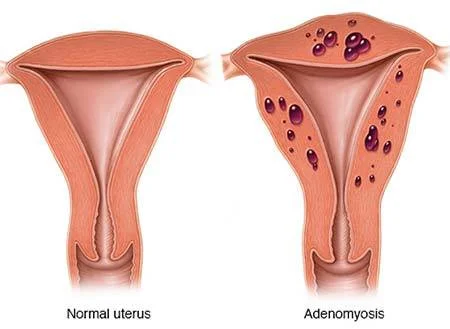
Severe menstrual cramps, unusually heavy bleeding, pelvic pressure, or prolonged periods can interfere with work, family life, and overall well-being. One possible cause is adenomyosis, a benign uterine condition in which tissue similar to the uterine lining grows into the muscular wall of the uterus. With appropriate evaluation and treatment, symptoms can often be managed effectively. Women seeking Adenomyosis treatment in Mumbai can benefit from a personalized approach that considers symptom severity, age, overall health, and future pregnancy plans.
What Is Adenomyosis?
Adenomyosis occurs when endometrial-like tissue grows into the muscular layer of the uterus. This can cause the uterus to become enlarged or bulky and may result in inflammation, painful periods, heavy menstrual bleeding, and persistent pelvic discomfort.
Although adenomyosis is not cancer, its symptoms can significantly affect quality of life. Some women may have mild symptoms, while others experience severe pain and excessive bleeding that can contribute to fatigue or anemia.
Common Symptoms of Adenomyosis
The symptoms can vary from woman to woman. Common signs include:
- Heavy or prolonged menstrual bleeding
- Severe menstrual cramps
- Pelvic pain or pressure
- Pain during sexual intercourse
- An enlarged or bulky uterus
- Bloating or a feeling of fullness
- Fatigue associated with excessive blood loss
- Anaemia in cases of significant menstrual bleeding
Persistent or worsening symptoms should be evaluated by a qualified gynaecologist rather than being considered a normal part of menstruation.
How Is Adenomyosis Diagnosed?
Diagnosis generally begins with a detailed discussion of menstrual symptoms and medical history, followed by a pelvic examination when appropriate. Imaging plays an important role in identifying changes within the uterus.
Ultrasound may help identify features such as an enlarged uterus or changes in the uterine muscle. In selected cases, an MRI may provide more detailed information about the extent and location of adenomyosis. Your doctor may also evaluate other possible causes of heavy bleeding and pelvic pain, including fibroids and endometriosis.
An individualized diagnostic assessment is important because adenomyosis can occur alongside other gynaecological conditions.
Adenomyosis treatment in Mumbai: What Are the Treatment Options?
The appropriate treatment depends on the severity of symptoms, reproductive plans, age, and response to previous treatment. There is no single approach that is suitable for every woman.
Medical and Conservative Treatment
Women with mild or moderate symptoms may initially be treated without surgery. Depending on the individual case, treatment can include:
- Hormonal medicines to control abnormal bleeding
- Hormonal intrauterine devices or other hormonal options
- Pain-relieving medicines for menstrual cramps
- Iron supplementation when heavy bleeding has caused iron deficiency or anaemia
- Lifestyle measures such as regular physical activity, balanced nutrition, adequate sleep, and stress management
These treatments may help control symptoms, although they do not necessarily eliminate adenomyosis itself.
When Is Surgery Recommended?
Surgery may be considered when symptoms are severe, persistent, or significantly affecting quality of life despite conservative treatment. The decision also depends strongly on whether the woman wishes to preserve fertility.
Depending on the condition and individual circumstances, surgical options may include adenomyomectomy, endometrial procedures in selected cases, or hysterectomy for women who have completed their families.
For women considering Adenomyosis treatment in Mumbai, discussing fertility goals before choosing surgery is particularly important. A specialist can explain the potential benefits, limitations, and risks of each option.
Role of Minimally Invasive and Robotic Surgery
Modern gynaecological surgery has increasingly moved toward minimally invasive techniques where appropriate. Laparoscopic and robotic-assisted procedures use smaller incisions and can offer advantages such as reduced postoperative discomfort, less scarring, shorter hospital stays, and faster recovery compared with traditional open surgery in suitable patients.
Dr. Maitreyee Parulekar has specialized training in minimally invasive gynaecology, gynaecological oncosurgery, and robotic surgery. Her profile highlights advanced laparoscopic and robotic techniques for both benign and malignant gynaecological conditions.
For selected patients, Adenomyosis treatment in Mumbai may therefore involve a minimally invasive surgical approach, particularly when surgery is necessary and the patient’s anatomy and treatment goals make such techniques appropriate.
Why Choose Dr. Maitreyee Parulekar?
Dr. Maitreyee Parulekar is a consultant gynaecological oncosurgeon and laparoscopic specialist with extensive training in advanced gynaecological surgery. She holds MBBS, MS in Obstetrics and Gynaecology from KEM, MRCOG (UK), and FMAS (MUHS) qualifications. She also completed a Fellowship in Gynaecological Oncosurgery and Robotic Surgery at Seoul National University Hospital in South Korea and was a Visiting Scholar in Minimally Invasive Gynaecology at Mount Sinai Hospital and Women’s College Hospital in Toronto.
She graduated with a Gold Medal in her Master’s degree in Obstetrics and Gynaecology from Seth G.S. Medical College and KEM Hospital, Mumbai. Her academic and research work includes publications in peer-reviewed journals and presentations involving complex gynaecological surgical cases.
Her expertise extends across laparoscopic, hysteroscopic, and robotic procedures, including treatment of adenomyosis, fibroids, endometriosis, ovarian conditions, and fertility-preserving procedures. Her approach emphasizes precision, minimally invasive techniques, and individualized treatment planning.
A Patient-Centred Clinical Environment at Kirit Nursing Home
Dr. Maitreyee Parulekar practices at Kirit Nursing Home among her Mumbai locations. Her clinical philosophy combines advanced technology with compassionate, patient-centred communication. Her practice information emphasizes helping women understand their diagnosis and treatment options while providing minimally invasive surgical care where appropriate.
For patients considering Adenomyosis treatment in Mumbai, this approach can be valuable because treatment decisions often involve more than simply controlling symptoms. Reproductive plans, previous surgeries, associated conditions, and expectations regarding recovery all need to be considered before developing a treatment plan.
When Should You Consult a Specialist?
Do not ignore menstrual pain or bleeding that is severe enough to disrupt your routine. A consultation is advisable if you experience increasingly painful periods, unusually heavy bleeding, persistent pelvic pain, anemia, pain during intercourse, or symptoms that have not improved with routine medication.
Early evaluation can help identify adenomyosis and distinguish it from other conditions with similar symptoms. With expert assessment, Adenomyosis treatment in Mumbai can be tailored according to your individual symptoms and long-term health goals.
Book a Consultation With Dr. Maitreyee Parulekar
If adenomyosis symptoms are affecting your daily life, consulting an experienced specialist can help you understand your diagnosis and available treatment options. Dr. Maitreyee Parulekar provides advanced gynaecological and minimally invasive surgical care and practices at Kirit Nursing Home as well as other hospitals in Mumbai.
For an appointment:
+91 72087 27500 | +91 97023 58222
info@drmaitreyeegynec.in
Get Directions to the Clinic – Kirit Nursing Home, Vile Parle
Frequently Asked Questions
1. Can adenomyosis be treated without surgery?
Yes. Depending on symptom severity and individual circumstances, hormonal treatment, pain management, and other conservative measures may help control symptoms. Surgery is considered when symptoms remain severe or significantly affect quality of life.
2. Is adenomyosis surgery always a hysterectomy?
No. The surgical approach depends on the extent of disease, symptoms, age, and fertility plans. Options may include adenomyomectomy or other procedures in selected patients, while hysterectomy may be considered for women who have completed their families.
3. Can adenomyosis affect fertility?
Adenomyosis may be associated with fertility challenges in some women, although the impact varies. Women who wish to conceive should discuss their reproductive plans with a specialist before selecting treatment.
4. How can I choose the right adenomyosis treatment?
The right treatment depends on your symptoms, imaging findings, age, medical history, and pregnancy plans. A specialist evaluation can help determine whether medical management, minimally invasive surgery, or another approach is appropriate.