
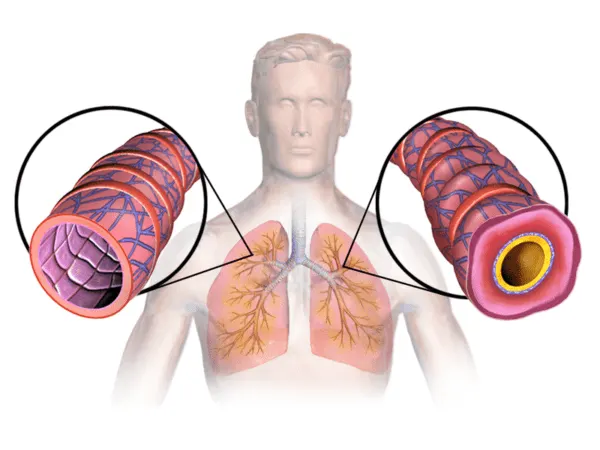
Asthma is a chronic respiratory condition that can make breathing difficult and may affect exercise, sleep, work, and everyday activities. It occurs when the airways become inflamed, swollen and narrowed, sometimes with increased mucus production. With appropriate diagnosis, treatment, trigger management and regular monitoring, asthma symptoms can often be effectively controlled.
For individuals looking for an asthma specialist in mumbai, choosing an experienced pulmonologist can help in understanding the condition and developing a treatment plan based on symptoms, triggers, age and severity.
What Is Asthma?
Asthma is an inflammatory disease affecting the airways that carry air into and out of the lungs. When a person with asthma encounters certain triggers, the airway lining can swell, the muscles surrounding the airways can tighten, and mucus may further narrow the passage. This can result in symptoms such as coughing, wheezing, chest tightness and breathlessness.
Asthma can occur at different ages and its symptoms can vary considerably from one person to another. Some people may experience occasional symptoms, while others may have more persistent breathing difficulties.
Common Causes and Asthma Triggers
The exact cause of asthma is not always known. Family history and allergies can increase susceptibility, while environmental and lifestyle factors may trigger or worsen symptoms.
Common asthma triggers mentioned by Dr. Parthiv Shah include:
- Dust and dust mites
- Pollen and other allergens
- Pet hair and animal dander
- Cigarette smoke and secondhand smoke
- Air pollution
- Paint fumes and other chemical irritants
- Workplace exposure to grains, flour, metals, wood or cleaning agents
- Viral respiratory infections
- Exercise in susceptible individuals
- Stress
- Gastroesophageal reflux disease (GERD)
- Pesticides and insecticides
Identifying individual triggers is an important part of asthma management. Avoiding or reducing exposure to known triggers may help decrease flare-ups.
Recognising the Symptoms of Asthma
Asthma symptoms can differ in frequency and intensity. Common symptoms include:
- Recurrent coughing
- Wheezing or a whistling sound while breathing
- Shortness of breath
- Chest tightness
- Difficulty breathing during certain activities
- Symptoms that interfere with sleep
During an asthma attack, symptoms can become significantly worse. Severe breathlessness may make walking or talking difficult, and a quick-relief medicine may not provide the expected relief. Such symptoms require prompt medical attention.
How Is Asthma Diagnosed?
A detailed medical assessment is important because symptoms such as cough and breathlessness can also occur with other respiratory conditions.
Dr. Parthiv Shah may assess the patient’s symptoms, medical history and possible triggers and conduct a physical examination. Depending on the situation, investigations may include lung function testing, imaging tests, allergy testing, sputum eosinophils and provocative testing for exercise- or cold-induced asthma.
The right investigations depend on the individual patient. Dr. Shah’s profile also highlights his approach of avoiding unnecessary tests and selecting investigations that are appropriate for evaluating a patient’s lung condition.
Asthma Treatment and Long-Term Management
Asthma treatment is generally focused on controlling inflammation, reducing symptoms and preventing exacerbations. Treatment may involve breathing exercises, quick-relief or rescue treatment and long-term controller medications.
The appropriate combination depends on factors such as the patient’s type of asthma, age, symptoms and triggers. Medication should be taken exactly as prescribed by the treating physician, and regular follow-up is important for monitoring asthma control.
Inhaler technique is another important aspect of treatment. Incorrect inhaler use can prevent medicine from reaching the lungs effectively. Patients should learn the correct technique for their prescribed inhaler and ask their doctor whether a spacer is appropriate when using a metered-dose inhaler.
Lifestyle and Asthma Prevention
Living with asthma does not necessarily mean giving up normal activities. With appropriate management, patients may be able to maintain an active lifestyle.
Some important aspects of asthma management include:
- Following an individual asthma action plan
- Taking prescribed medication regularly
- Identifying personal asthma triggers
- Reducing exposure to smoke, dust and pollution
- Monitoring changes in breathing
- Maintaining a healthy lifestyle
- Staying physically active when asthma is adequately controlled
- Attending regular medical follow-ups
- Understanding the warning signs of an asthma attack
Dr. Parthiv Shah’s asthma information also emphasises learning how and when to use medication and recognising early changes in symptoms so appropriate action can be taken.
Why Choose Dr. Parthiv Shah for Asthma Care?
Dr. Parthiv Shah is a consultant chest physician and pulmonologist with more than eight years of experience in respiratory medicine. His qualifications include MBBS, MD in Pulmonary Medicine, DNB in Pulmonary Medicine, Fellowship in Pulmonary Diseases & Intensive Care Medicine, and Diploma in Adult Respiratory Medicine from Europe.
His clinical expertise includes allergies, asthma, COPD, MDR-TB, pulmonary infections, obstructive sleep apnea and other lung diseases. He also performs procedures such as bronchoscopy, thoracoscopy and pleural tapping, while allergy testing and sleep studies are among the diagnostic services associated with his practice.
Dr. Shah has also received professional recognition, including the first prize in the Vidharbha Pulmoquiz and other academic distinctions and awards. His approach places emphasis on appropriate investigations, transparent patient care and a personal touch.
Patients looking for the Best Pulmonologist in Mumbai can consult Dr. Shah for assessment and management of asthma and other respiratory conditions.
Sparsh Super Speciality Lung Clinic
Dr. Parthiv Shah provides pulmonology care at Sparsh Super Speciality Lung Clinic in Borivali East. The clinic focuses on respiratory and lung-related conditions and offers care for asthma, bronchitis, COPD, tuberculosis, pneumonia and other pulmonary disorders.
The clinic environment is designed around specialised respiratory care, with access to consultation for a broad range of lung conditions. Patients can discuss their symptoms, triggers, previous reports and treatment history during their consultation.
As a Chest Physician in Borivali, Dr. Shah also provides care for patients with allergies, asthma, COPD, MDR-TB, pulmonary infections and sleep-related breathing disorders.
Book an Asthma Consultation in Mumbai
Asthma symptoms should not be ignored, particularly when breathing difficulties become frequent or interfere with sleep and daily activities. Early evaluation can help identify possible triggers, assess lung function and establish an appropriate management strategy.
If you are searching for an asthma specialist in mumbai, consult Dr. Parthiv Shah at SparshSuper Speciality Lung Clinic for personalised respiratory care.
Call the clinic to schedule an appointment with Dr. Parthiv Shah and discuss your asthma symptoms, triggers and treatment options.
Frequently Asked Questions
1. What are the common symptoms of asthma?
Common asthma symptoms include coughing, wheezing, shortness of breath and chest tightness. The severity and frequency of symptoms can vary between individuals.
2. What can trigger asthma symptoms?
Asthma triggers can include dust, pollen, pet dander, smoke, air pollution, respiratory infections, exercise, stress, chemical irritants and GERD. Individual triggers differ, so identifying them can be an important part of asthma management.
3. Can asthma be controlled?
Asthma is a chronic condition, but its symptoms can often be controlled with appropriate medication, trigger management, regular monitoring and a healthy lifestyle. Patients should follow the treatment plan prescribed by their doctor and attend recommended follow-ups.
4. When should I see an asthma specialist?
You should consider consulting a pulmonologist when you experience recurrent wheezing, coughing, breathlessness, chest tightness, frequent respiratory symptoms or difficulty controlling existing asthma. Severe breathing difficulty or symptoms that do not respond to prescribed quick-relief treatment require urgent medical attention.