
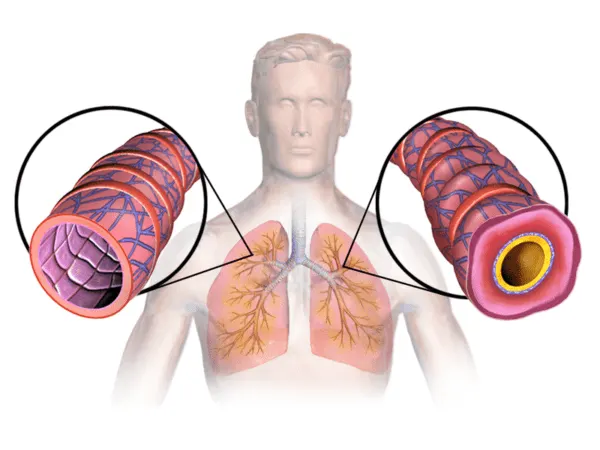
During my review of respiratory care in Mumbai, I found that asthma is not simply an occasional breathing problem. It is a chronic inflammatory condition affecting the airways, where swelling, tightening of the surrounding muscles and excess mucus can make it difficult for air to move freely. For patients searching for an Asthma Specialist in Mumbai, accurate diagnosis, identification of triggers and an individualized management plan are important for controlling symptoms and reducing flare-ups. Dr. Parthiv Shah at Sparsh Super Speciality Lung Clinic provides evaluation and treatment for asthma along with a broad range of respiratory conditions.
Understanding Asthma and Its Symptoms
Asthma affects the airways that carry air into and out of the lungs. During an asthma episode, the airway lining can become swollen, the muscles around the airways may tighten and mucus can further narrow the passage. These changes can result in coughing, wheezing, chest tightness and shortness of breath.
Symptoms can vary from person to person. Some individuals experience occasional symptoms, while others may have more frequent breathing difficulties. Symptoms can also become worse after exposure to allergens, respiratory infections, cold air, pollution or physical activity.
Recognising recurring symptoms is important because breathing difficulties can sometimes be mistaken for a simple allergy, infection or temporary respiratory problem.
Common Causes and Risk Factors
Asthma can have several contributing factors. The reference information lists genetics, childhood viral infections and exposure to allergens or irritants among possible contributors. Having a close blood relative with asthma may increase the likelihood of developing the condition. People with allergic conditions such as allergic rhinitis or atopic dermatitis may also have an increased risk.
Other factors include smoking, exposure to secondhand smoke, being overweight and exposure to exhaust fumes or air pollution. In a city environment, identifying individual triggers can therefore be an important part of asthma management.
Triggers differ between patients. Common examples include pollen, mould, dust, smoke, pollution and cold air. Keeping track of when symptoms occur can help a physician understand possible patterns.
Asthma Specialist in Mumbai: Diagnosis and Evaluation
A consultation with an Asthma Specialist in Mumbai generally begins with a detailed medical history and physical examination. The doctor may ask about symptoms, their frequency, possible triggers, previous respiratory illnesses and other health conditions. The purpose is also to distinguish asthma from other conditions that can cause similar breathing symptoms, including respiratory infections and chronic obstructive pulmonary disease (COPD).
Depending on the patient’s symptoms, additional investigations may be considered. The reference page lists lung-function testing, allergy testing, imaging, sputum eosinophil assessment and provocative testing for exercise- or cold-induced asthma among possible diagnostic approaches.
Pulmonary function testing can provide useful information about how effectively the lungs are moving air. Allergy assessment may be helpful when an allergic trigger is suspected. Not every patient requires every investigation, so testing is generally selected according to the clinical situation.
Asthma Treatment Options
Treatment depends on the type of asthma, the patient’s age, symptoms and triggers. The reference page broadly describes three categories: breathing exercises, rescue or first-aid treatment and long-term asthma-control medication.
Long-term management is intended to reduce airway inflammation and maintain better symptom control. Rescue medication may be prescribed for episodes of worsening symptoms, according to the individual’s treatment plan. Patients should understand how and when prescribed inhalers or other medicines should be used rather than changing medication on their own.
Breathing exercises can form another component of respiratory care in selected patients. The exact treatment combination should be determined by the treating physician after assessment.
Identifying and Avoiding Asthma Triggers
Trigger management can be an important part of preventing exacerbations. Outdoor allergens, mould, smoke, pollution and cold air are among the triggers mentioned in the reference material.
Patients can keep a symptom diary to identify patterns. For example, if coughing or wheezing repeatedly occurs after exposure to dust, smoke or particular environmental conditions, this information can be discussed during a consultation.
Smoking cessation and avoidance of secondhand smoke are also important respiratory-health measures. Depending on individual circumstances, maintaining a healthy weight and reducing exposure to air pollution may also support overall lung health.
Monitoring Asthma Between Visits
Asthma management does not necessarily end after symptoms improve. The reference page recommends following an asthma action plan prepared with the healthcare team and monitoring breathing regularly. Some patients may be advised to use a peak-flow meter at home to track changes in airflow.
Recognising early warning signs such as increasing cough, wheezing or breathlessness can help patients respond according to their prescribed action plan. Vaccination against influenza and pneumonia may also be recommended in appropriate patients because respiratory infections can contribute to asthma flare-ups.
Patients should seek urgent medical attention if breathing becomes severely difficult, symptoms rapidly worsen or prescribed rescue measures are not providing adequate relief.
Dr. Parthiv Shah: Qualifications and Clinical Experience
Dr. Parthiv Shah is a consultant chest physician whose profile lists qualifications including MBBS, MD in Pulmonary Medicine, DNB in Pulmonary Medicine, Fellowship in Pulmonary Diseases & Intensive Care Medicine and a Diploma in Adult Respiratory Medicine from Europe. His academic profile records MBBS in 2010, MD Pulmonary Medicine in 2015, fellowship training in 2016, DNB Pulmonary Medicine in 2017 and the European respiratory medicine diploma in 2019.
His profile states that he has more than eight years of experience in respiratory medicine and has worked with patients across Mumbai. He visits major hospitals in Kandivali, Borivali and Dahisar and manages a range of pulmonary conditions.
He also has experience with respiratory procedures and investigations including bronchoscopy, thoracoscopy and pleural tapping, while allergy testing and sleep studies are among the diagnostic services associated with his practice.
Respiratory Expertise at Sparsh Super Speciality Lung Clinic
Dr. Parthiv Shah’s listed clinical expertise extends beyond asthma. His profile includes allergies, COPD, multidrug-resistant tuberculosis, obstructive sleep apnea, pulmonary infections and other lung diseases.
The clinic environment is focused on respiratory evaluation and management, with services including pulmonary function testing, polysomnography, bronchoscopy, thoracoscopy, allergen testing, pleural tapping and chest tube thoracostomy listed on the practice website.
The doctor’s profile also highlights transparency, a personal approach to patient care and avoiding unnecessary investigations. It states that his clinical experience helps him select investigations according to the patient’s lung condition.
For patients seeking an Asthma Specialist in Mumbai, this broader respiratory expertise can be relevant when asthma symptoms overlap with allergies, infections, sleep-related breathing problems or other pulmonary conditions.
Benefits and Considerations of Asthma Management
Effective asthma management can help patients reduce the frequency and severity of symptoms and maintain everyday activities. Identifying triggers and following a structured treatment plan can also help patients recognise worsening symptoms earlier.
However, asthma is a chronic condition and treatment needs to be individualized. Medication requirements can change over time, and incorrect inhaler technique, poor adherence or continued exposure to triggers can affect symptom control. Patients should not stop or modify prescribed medication without discussing it with their physician.
When Should You Consult a Pulmonologist?
Recurring wheezing, persistent cough, unexplained breathlessness or repeated episodes of chest tightness warrant medical evaluation. A consultation is particularly relevant when symptoms interfere with exercise, sleep, work or everyday activities.
Patients who have already been diagnosed with asthma but continue to experience frequent symptoms may also benefit from reassessment. The physician can review medication use, inhaler technique, triggers and lung-function findings and determine whether the management plan needs adjustment.
Consult Dr. Parthiv Shah in Borivali
📞+91 90297 72904 | ☎️ +91 93242 47349
📧 info@drparthivshah.com
📍 Get Directions to the Clinic – Sparsh Super Speciality Lung Clinic to schedule an appointment with Dr. Parthiv Shah for evaluation of asthma symptoms, breathing difficulties or other respiratory concerns.
Frequently Asked Questions
1. What are the common symptoms of asthma?
Common symptoms include coughing, wheezing, chest tightness and shortness of breath. Symptoms can vary in frequency and intensity and may be triggered by allergens, infections, pollution, cold air or exercise.
2. How is asthma diagnosed?
Diagnosis may involve a medical history, physical examination and lung-function testing. Depending on the symptoms, a physician may also consider allergy testing, imaging, sputum eosinophils or provocative testing.
3. Can asthma be managed with treatment?
Asthma is a chronic condition, but appropriate treatment and trigger management can help control symptoms. Treatment may involve long-term controller medicines, rescue treatment and breathing exercises, depending on the patient’s individual needs.
4. When should I see an asthma specialist?
Consider consulting a pulmonologist if you have recurrent wheezing, persistent cough, breathlessness, chest tightness or repeated respiratory episodes. People with an existing asthma diagnosis who continue to have frequent symptoms may also need reassessment.