
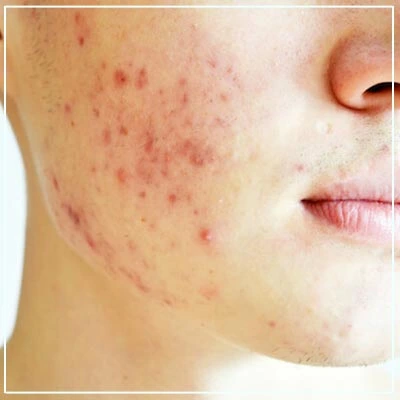
Finding the best acne treatment in mumbai starts with understanding why acne develops and choosing a treatment suited to your skin type, symptoms, and medical history. Acne is a common skin condition that can affect teenagers and adults, causing blackheads, whiteheads, inflamed pimples, and sometimes painful cysts or permanent scars. With the right dermatological assessment and consistent care, many people can manage breakouts and reduce the risk of long-term skin damage.
At Viva Aesthetic Clinic, Dr. Deepam Shah provides dermatological consultations and personalised treatment options for acne and acne-related scarring. His approach focuses on identifying contributing factors, assessing acne severity, and selecting appropriate medical or procedural treatments based on each patient’s needs.
What Is Acne and Why Does It Develop?
Acne develops when hair follicles become blocked by excess sebum, dead skin cells, and inflammation involving microorganisms that naturally live on the skin. Hormonal changes can increase oil production, making acne especially common during adolescence. However, adults can also experience persistent or recurring breakouts.
Several factors may contribute to acne, including:
- Hormonal fluctuations: Changes associated with puberty, menstrual cycles, or certain hormonal conditions can trigger breakouts.
- Genetics: A family history of acne may increase susceptibility.
- Excess oil production: Oily skin can contribute to blocked pores.
- Skin and hair products: Heavy or pore-clogging products may worsen acne in some people.
- Stress: Stress may aggravate existing acne, although it is not the sole cause.
- Certain medicines: Some medications can trigger acne-like eruptions.
Acne is not caused simply by poor hygiene. Scrubbing the skin aggressively or repeatedly washing the face can irritate it and may worsen inflammation.
Different Types of Acne
Identifying the type of acne helps determine which treatment is most appropriate.
Blackheads and whiteheads: These are non-inflammatory lesions caused by blocked pores. Blackheads appear dark because of changes in the material exposed to air, rather than because the skin is dirty.
Papules and pustules: Papules are inflamed red bumps, while pustules contain visible pus. Picking or squeezing them can increase inflammation and scarring.
Nodules and cysts: These deeper lesions may be painful and can lead to permanent scars if not treated appropriately.
Acne-related marks and scars: After inflammation settles, some people develop dark or red marks. Others develop depressed scars or raised scar tissue. Marks and scars are different and may require different treatment approaches.
How Is Acne Diagnosed?
A dermatologist usually diagnoses acne by examining the skin and asking about the duration of breakouts, previous treatments, skincare products, medical history, and possible triggers. The doctor may also ask about menstrual irregularities or other signs of hormonal imbalance when relevant.
The assessment helps determine whether acne is mild, moderate, or severe and whether there are signs of scarring. Additional evaluation may be recommended when acne develops suddenly in adulthood, appears unusual, or is accompanied by symptoms that suggest an underlying condition.
Early consultation is particularly helpful for painful nodules, recurring breakouts, or acne that is leaving scars.
Acne Treatment Options at Viva Aesthetic Clinic
Treatment is selected according to acne severity, skin sensitivity, previous medication use, and the presence of scarring. Some patients respond to topical products, while others need prescription medicines or a combination of treatments.
1. Topical Treatments
Topical medicines are commonly used for mild to moderate acne. Depending on the patient’s skin and diagnosis, a dermatologist may recommend:
- Benzoyl peroxide: Helps reduce acne-causing bacteria and inflammation.
- Topical retinoids: Ingredients such as tretinoin help prevent clogged pores and support the treatment of comedonal acne.
- Topical antibiotics: These may be prescribed for selected inflammatory acne cases, usually alongside other treatment to reduce the risk of antibiotic resistance.
- Azelaic acid: May help manage acne and some forms of post-inflammatory pigmentation.
These treatments can cause dryness, redness, or irritation, especially when first introduced. Follow the dermatologist’s instructions and avoid combining strong active ingredients without guidance.
2. Oral Medication for Moderate to Severe Acne
When acne is widespread, painful, or resistant to topical treatment, prescription medication may be considered.
Oral antibiotics may be used for a limited period in selected patients and are generally combined with suitable topical treatment. Hormonal options may be considered for some women whose acne is associated with hormonal patterns.
Isotretinoin may be prescribed for severe, scarring, or treatment-resistant acne. It requires close medical supervision because it can cause significant side effects and is highly harmful to a developing fetus. Strict pregnancy-prevention precautions and monitoring are essential for patients who could become pregnant.
Medication should never be started, stopped, or adjusted without appropriate medical advice.
3. Chemical Peels for Selected Acne Cases
A dermatologist may recommend a chemical peel for certain patients with clogged pores, mild acne, or post-acne pigmentation. Peels use carefully selected solutions to exfoliate the skin and may help improve texture and uneven tone.
The type and strength of the peel depend on the patient’s skin type, acne activity, and sensitivity. Temporary redness, peeling, irritation, and pigmentation changes are possible, particularly when the procedure is not suited to the skin or aftercare instructions are not followed.
4. Laser and Other Acne Scar Treatments
Once active acne is controlled, treatment may focus on the marks or scars left behind. Depending on the type of scarring, options may include laser resurfacing, microneedling, subcision, selected chemical peels, or other procedures.
Laser treatments can stimulate collagen remodelling and improve the appearance of some depressed acne scars. Different lasers address different concerns, and several sessions may be required. Results vary according to scar type, skin tone, and treatment response.
Not every acne scar responds to the same procedure. A dermatologist should assess the skin before recommending a treatment plan, particularly for people prone to pigmentation.
Why Choose Dr. Deepam Shah at Viva Aesthetic Clinic?
Dr. Deepam Shah is a dermatologist, cosmetologist, and hair transplant surgeon with more than a decade of experience in skin and hair treatments. He completed his MBBS from the University of Bombay in 2010 and his DNB in Dermatology and Venereology through the University of Delhi in 2014. He also holds a Fellowship in Aesthetic Medicine, Hair Transplant, Dermatology, and Cosmetology from the Institute of Laser and Aesthetic Medicine (ILAMED).
His recognitions include a silver medal in the Maharashtra University of Health Sciences examination and Best Post Graduate Student recognition from the Galderma Institute. As the founder of Viva Aesthetic Clinic, he focuses on evaluating individual skin concerns and discussing appropriate treatment options.
The clinic’s approximately 1,000-square-foot facility in South Mumbai is equipped with modern laser systems and aesthetic medical devices. Consultations and procedures are supported by trained clinical staff, with treatment choices tailored to the patient’s skin condition and goals.
Patients looking for a Dermatologist and Skin Specialist in Mumbai can seek an assessment for acne, acne scars, pigmentation, and other dermatological concerns. Choosing a qualified Dermatologist in Mumbai is particularly important when breakouts are painful, recurring, or leaving permanent marks.
When Should You Consult a Dermatologist?
Consider booking a consultation if your acne persists despite consistent skincare, causes pain, spreads across the face or body, or leaves dark marks and scars. Early treatment may help control inflammation and reduce the likelihood of permanent scarring.
Avoid squeezing pimples or using multiple strong products at once. A simple routine with a gentle cleanser, non-comedogenic moisturiser, and broad-spectrum sunscreen can support treatment. Your dermatologist can recommend additional products according to your skin’s needs.
Book an Acne Consultation at Viva Aesthetic Clinic
If you are struggling with recurring breakouts, inflamed pimples, or acne scars, Dr. Deepam Shah can assess your skin and discuss suitable treatment options. The aim is to create a realistic, personalised plan that addresses active acne and helps minimise further skin damage.
📞 93245 89084 | ☎️ 022 3573 1556
📧 clinicvivacosmetic@gmail.com
📍 Visit: Viva Aesthetic Clinic, Opera House or Colaba, Mumbai
Call the clinic to confirm appointment availability and the appropriate consultation location.
Frequently Asked Questions
1. What is the most effective treatment for acne?
The most suitable treatment depends on the type and severity of acne. Topical medicines may help mild acne, while moderate or severe cases may require prescription medication. A dermatologist can recommend a plan based on your skin and medical history.
2. Can acne scars be removed completely?
Some scars can improve considerably with appropriate procedures, but complete removal cannot be guaranteed. Treatment depends on whether the concern is pigmentation, raised scars, or depressed scars. Several sessions or a combination of treatments may be recommended.
3. How long does acne treatment take to show results?
Many acne treatments take around six to eight weeks to show noticeable improvement, and longer treatment may be needed to control breakouts. Results vary according to the treatment, severity, and consistency of use. Follow-up helps determine whether the plan needs adjustment.
4. How can I book an appointment with Dr. Deepam Shah?
Call +91 93245 89084 or 022 3573 1556 to enquire about an appointment at Viva Aesthetic Clinic. You can choose between the Opera House and Colaba locations after confirming availability with the clinic.