
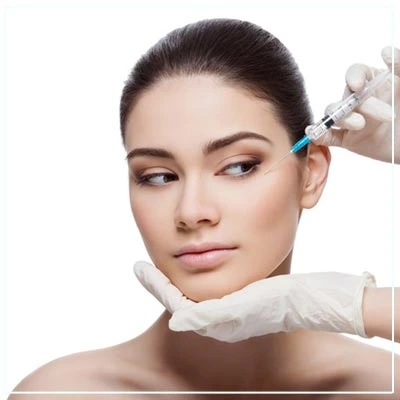
Fine lines and wrinkles are a natural part of ageing, but some people seek cosmetic treatments to soften their appearance while maintaining natural-looking facial expressions. Botox is a popular non-surgical option that temporarily relaxes selected facial muscles responsible for expression lines. For individuals considering botox treatment in mumbai, Dr. Deepam Shah at Viva Aesthetic Clinic offers personalised aesthetic assessment to help determine whether this procedure suits their facial features, concerns, and goals.
Understanding how Botox works, what results to expect, and the possible risks can help you make an informed decision before undergoing treatment.
What Is Botox Treatment?
Botox is a commonly used name for a botulinum toxin type A injectable treatment. It works by temporarily reducing nerve signals to specific muscles, limiting their contraction. When the targeted muscles move less forcefully, certain expression lines may become softer and less noticeable.
Botox is most often used for dynamic wrinkles, which form or deepen with repeated facial movements such as frowning, raising the eyebrows, or smiling. It does not replace lost facial volume, remove every type of wrinkle, or stop the natural ageing process.
A qualified medical professional assesses the treatment area, facial muscle activity, medical history, and desired outcome before deciding whether injections are appropriate.
Which Areas Can Botox Treat?
Botox may be considered for several facial areas, depending on the individual’s concerns and the approved or appropriate use of the product.
Forehead lines: Horizontal lines that become visible when raising the eyebrows may be softened by carefully planned injections.
Frown lines: Vertical lines between the eyebrows, sometimes called “11 lines,” may become less prominent when the relevant muscles are relaxed.
Crow’s feet: Fine lines at the outer corners of the eyes may be reduced with targeted treatment.
Lines around the mouth: Selected expression lines around the mouth may be assessed for treatment, although the area requires particular care because muscle movement is important for speaking and eating.
Chin dimpling: Botox may help reduce a pebbled or uneven chin appearance in suitable patients.
Treatment areas and dosing vary. Not every concern is best treated with Botox, and some patients may benefit more from skincare, resurfacing procedures, fillers, or another approach.
Who Is a Suitable Candidate?
Botox may be suitable for adults who want to soften specific expression lines and understand that the results are temporary. A consultation helps establish realistic expectations and identify any factors that could affect treatment safety.
The doctor may review your medical history, medications, previous cosmetic procedures, allergies, and any neuromuscular conditions. Botox may not be appropriate during pregnancy or breastfeeding, and extra caution is needed for people with certain neurological or muscle disorders. Tell your doctor about all medicines and supplements you use, including medications that can affect bleeding or muscle function.
The goal should be a balanced result that suits your facial anatomy—not simply using the highest dose or eliminating all facial movement.
What Happens During the Procedure?
Botox treatment is usually performed as an outpatient procedure and does not generally require surgery or general anaesthesia.
The process commonly includes:
- Consultation: The doctor discusses your concerns, medical history, and desired outcome.
- Facial assessment: Muscle movement and the location of expression lines are evaluated.
- Treatment planning: The injection sites and dose are selected according to your needs.
- Injections: Small amounts of the prescribed product are injected into specific muscles using a fine needle.
- Aftercare guidance: You receive instructions on what to do after treatment and when to return for review.
The procedure often takes around 10–20 minutes, depending on the number of areas treated. Discomfort is usually brief, although individual experiences vary. Numbing measures may be discussed if needed.
Botulinum toxin is a prescription medicine and should be administered by a suitably qualified medical professional using an authorised product.
When Will You See Results, and How Long Do They Last?
Botox does not produce its full effect immediately. Initial changes may appear within a few days, with results commonly becoming more apparent over approximately one to two weeks. The timing depends on the product, dose, treatment area, and individual response.
Results are temporary. Effects often last around three to four months, although some people may experience a shorter or longer duration. Repeated treatment should be guided by a clinician rather than performed more frequently than recommended.
Follow-up may be useful to assess the result and determine whether any further treatment is appropriate. Avoid expecting permanent wrinkle removal from a temporary injectable procedure.
Safety, Side Effects, and Aftercare
When administered appropriately to suitable patients, Botox is generally well tolerated, but it is not completely risk-free.
Common temporary effects can include redness, swelling, bruising, tenderness, or mild headache around the injection period. Depending on the injection site and technique, unwanted effects may include eyelid or eyebrow drooping, asymmetry, or temporary weakness of nearby muscles.
Rarely, botulinum toxin effects can spread beyond the injection site and cause serious symptoms, including difficulty swallowing, speaking, or breathing. Seek urgent medical attention if these occur.
Aftercare instructions vary, but your doctor may advise you to avoid rubbing or massaging the treated area and to follow specific guidance about strenuous exercise or other activities immediately after the procedure. Contact the clinic if you notice unexpected or persistent symptoms.
Choosing a qualified practitioner, an appropriate product, and a treatment plan based on your anatomy helps reduce avoidable risks.
Why Choose Dr. Deepam Shah at Viva Aesthetic Clinic?
Dr. Deepam Shah is a dermatologist, cosmetologist, and hair transplant surgeon practising in South Mumbai. His professional profile lists more than a decade of experience in skin, hair, and aesthetic treatments.
His qualifications include MBBS from the University of Bombay, followed by DNB in Dermatology and Venereology from the University of Delhi. He also holds a Fellowship in Aesthetic Medicine, Hair Transplant, Dermatology, and Cosmetology from the Institute of Laser & Aesthetic Medicine (ILAMED). His profile lists recognition including a Silver Medal in the MUHS examination and Best Post Graduate Student recognition from the Galderma Institute.
As the founder of Viva Aesthetic Clinic, Dr. Shah works in a clinic environment described by the practice as a 1,000-square-foot facility equipped with aesthetic devices and laser technology. The clinic provides skin, hair, and cosmetic services, with an emphasis on individual assessment and treatment planning.
People searching for a Dermatologist and Skin Specialist in Mumbai or a Dermatologist in Mumbai can discuss their concerns with a qualified professional and learn whether Botox or another treatment is appropriate. A consultation should cover expected benefits, limitations, possible side effects, costs, and aftercare before proceeding.
Schedule Your Consultation Today
Considering Botox for forehead lines, frown lines, crow’s feet, or other expression-related concerns? Arrange a consultation with Dr. Deepam Shah at Viva Aesthetic Clinic to discuss your goals and receive an individualised treatment recommendation.
Consult Dr. Deepam Shah at Viva Aesthetic Clinic for professional assessment and personalised aesthetic care.
📞 93245 89084 | ☎️ 022 3573 1556
📧 clinicvivacosmetic@gmail.com
📍 Visit: Viva Aesthetic Clinic, Opera House or Colaba, Mumbai
Working Hours: Monday–Saturday, 10:30 AM–7:00 PM. Contact the clinic to confirm availability and book your appointment.
Frequently Asked Questions (FAQs)
1. Is Botox treatment painful?
Most people experience brief discomfort from the small injections. Temporary redness, tenderness, or bruising may occur. Your practitioner can explain ways to make the procedure more comfortable.
2. How long does Botox take to show results?
Some changes may appear within a few days, while the full effect commonly develops over one to two weeks. Results vary according to the treatment area, dose, and individual response.
3. How long do Botox results last?
Results commonly last around three to four months, although duration varies. Your doctor can advise when a follow-up may be appropriate based on your response and treatment goals.
4. Is Botox suitable for everyone?
No. Suitability depends on your medical history, treatment goals, medications, and the area being treated. Botox may not be appropriate during pregnancy or breastfeeding or for people with certain neuromuscular conditions. A medical consultation is essential before treatment.