
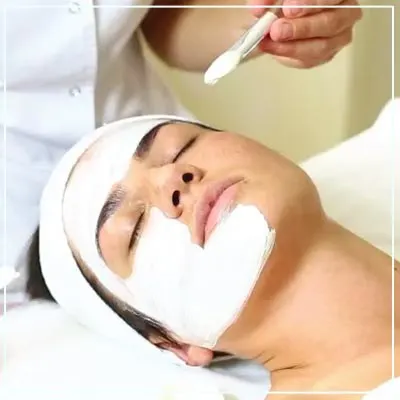
If you are considering a chemical peel in South Mumbai, choosing a qualified dermatologist is important for achieving safe, effective and natural-looking skin improvement. Chemical peels are non-surgical skin-rejuvenation treatments that can help improve pigmentation, acne, mild scars, uneven skin tone, fine lines and overall skin texture. Dr. Deepam Shah, MD, DNB, FAM, is a dermatologist, cosmetologist and hair transplant surgeon with more than a decade of experience in skin and hair treatments. He is the founder of Viva Aesthetic Clinic and provides personalised aesthetic care using advanced technology and treatment techniques.
What Is a Chemical Peel?
A chemical peel is a skin-rejuvenation procedure in which a carefully selected chemical solution is applied to the skin. The solution helps remove damaged or dead surface cells, encouraging the skin to renew itself and reveal a smoother, brighter appearance. Chemical peels are commonly used to address pigmentation, acne, mild scars, uneven skin tone, photoaging and fine lines.
The type and strength of peel should be selected according to the patient’s skin type, concerns and treatment goals. A dermatologist can assess the skin before recommending an appropriate peel.
What Skin Concerns Can Chemical Peels Improve?
Chemical peeling can be useful for several common skin concerns. Depending on the selected formulation and treatment plan, it may help with:
- Pigmentation and uneven skin tone
- Freckles and age spots
- Melasma
- Acne
- Mild acne scars
- Dull or tired-looking skin
- Uneven skin texture
- Fine lines
- Photoaging
- Under-eye dark circles
- General skin radiance
The expected improvement depends on the underlying condition, skin type, peel selected and number of sessions.
Types of Chemical Peels
Chemical peels are generally classified according to how deeply they penetrate the skin.
Superficial Peels
Superficial peels are the mildest type and primarily work on the outermost layers of the skin. Glycolic acid is one of the commonly used agents for superficial peeling. These peels may be considered for concerns such as mild pigmentation, dullness, uneven texture and acne.
Medium Peels
Medium-depth peels penetrate further into the skin than superficial peels. Trichloroacetic acid, or TCA, may be used for selected treatments. Because these peels are stronger, professional assessment and appropriate aftercare are particularly important.
Deep Peels
Deep peels penetrate several layers of the skin and are significantly stronger. Phenol is traditionally associated with deep chemical peeling. These treatments are used selectively and may not be appropriate for every skin type, particularly darker skin types because of the risk of pigmentary complications.
A dermatologist should determine whether a superficial, medium or deeper peel is appropriate rather than choosing a peel solely based on its advertised strength.
How Does a Chemical Peel Work?
The procedure begins with cleansing the skin. The selected chemical solution is then carefully applied and allowed to act for a specified period depending on the formulation and the patient’s skin. The peeling agent is subsequently neutralised where required.
The treatment removes damaged surface cells and stimulates the skin-renewal process. As the treated skin gradually sheds, newer skin becomes visible, potentially improving smoothness, tone and radiance.
More than one type of peel may sometimes be used sequentially, and multiple treatment sessions are commonly required for optimum improvement. The reference clinic information notes that sessions may often be repeated at approximately two-week intervals, depending on the treatment plan.
Why Choose Dr. Deepam Shah?
Dr. Deepam Shah is a qualified dermatologist, cosmetologist and hair transplant surgeon practising in South Mumbai. He completed his MBBS from the University of Bombay in 2010, followed by DNB in Dermatology & Venereology from the University of Delhi in 2014. He also holds a FAM Fellowship in Aesthetic Medicine, Hair Transplant, Dermatology and Cosmetology from ILAMED, completed in 2014.
His professional recognitions include being a Best Post Graduate Student for the Galderma Institute and a Silver Medalist in the MUHS Examination, Mumbai.
Dr. Shah has more than a decade of experience in skin and hair treatments. His areas of expertise include dermatology, cosmetology, dermatosurgery, laser treatments, medical cosmetology, hair transplantation, trichology and vitiligo surgery.
Patients looking for a Dermatologist and Skin Specialist in Mumbai can benefit from his combination of dermatological qualifications, aesthetic-medicine training and experience with advanced skin treatments.
A Modern Clinic Environment
Viva Aesthetic Clinic is a 1,000-square-foot clinic equipped with state-of-the-art lasers and medical devices. The clinic’s setup combines advanced technology with trained and qualified doctors and beauty professionals.
Dr. Shah is also the founder of Viva Aesthetic Clinic. The practice focuses on understanding the underlying cause of a patient’s concern and developing personalised treatment plans. Patient satisfaction is described as a priority, with an emphasis on achieving results while minimising unnecessary medication where appropriate.
For aesthetic skin procedures such as chemical peels, this individualised approach is important because skin pigmentation, sensitivity and response to treatment can vary significantly between patients.
Chemical Peels for Pigmentation
Pigmentation is one of the common reasons patients consider chemical peels. Freckles, age spots, melasma and other forms of uneven pigmentation may respond to appropriately selected peeling treatments.
However, pigmentation can have different causes, and aggressive treatment may sometimes worsen pigmentary problems. A dermatologist should therefore identify the type of pigmentation and assess skin sensitivity before selecting a peel.
Patients with darker skin tones may require particularly careful treatment planning because some stronger peels carry an increased risk of post-inflammatory pigmentation.
Chemical Peels for Acne and Acne Scars
Chemical peels may also be incorporated into treatment plans for acne. Certain peeling agents can help exfoliate the skin and improve the appearance of clogged pores and acne-related changes.
Mild acne scars and uneven skin texture may also improve with an appropriate peel. However, deeper scars may require additional treatments, and a dermatologist can recommend whether chemical peeling alone is likely to provide meaningful improvement.
What Can You Expect After Treatment?
Mild redness or soreness may occur after a chemical peel. Mild exfoliation or peeling of the treated skin can also be expected. These effects depend on the strength and type of peel used.
After treatment, the skin can become temporarily more sensitive to sunlight. Daily sunscreen use is therefore an important part of post-peel care. Patients should also follow the specific skincare and aftercare instructions provided by their dermatologist.
Results develop progressively as the skin renews itself. Depending on the concern, several sessions may be recommended rather than expecting complete improvement after one treatment.
How Much Does a Chemical Peel Cost?
The cost depends on factors such as the type and depth of peel, treatment area, number of sessions and the dermatologist’s experience. Viva Aesthetic Clinic’s reference page lists a chemical peel cost ranging from approximately ₹1,800 to ₹5,500 per session, while its FAQ provides broader ranges depending on the type of peel and complexity.
Because treatment requirements differ from person to person, the final cost should be confirmed during consultation.
Why Professional Assessment Matters
Chemical peels may appear simple, but choosing the wrong strength or formulation for a particular skin type can lead to unwanted irritation or pigmentation. A qualified dermatologist can evaluate the skin and select a treatment appropriate for the patient’s condition.
Patients considering chemical peel in South Mumbai should therefore focus on professional assessment, dermatologist qualifications, treatment planning and appropriate follow-up rather than choosing a peel based only on cost.
When Should You Consider a Chemical Peel?
A consultation may be worthwhile if you are concerned about:
- Persistent pigmentation
- Uneven skin tone
- Dull complexion
- Acne
- Mild acne scars
- Rough or uneven texture
- Fine lines
- Sun-related skin changes
- Mild dark circles
Not every skin concern requires a chemical peel. Dr. Shah can evaluate the condition and recommend whether peeling or another dermatological treatment is more appropriate.
Consult Dr. Deepam Shah at Viva Aesthetic Clinic
If you want to improve pigmentation, acne, skin texture or overall radiance, a dermatologist-led treatment plan can help you choose an appropriate and safe approach.
Dr. Deepam Shah brings postgraduate dermatology qualifications, aesthetic-medicine fellowship training and more than a decade of experience to his practice at Viva Aesthetic Clinic.
For patients seeking a Dermatologist in Mumbai, Viva Aesthetic Clinic offers consultation and advanced aesthetic dermatology services at convenient South Mumbai locations.
📞 93245 89084 | ☎️ 022 3573 1556
📧 clinicvivacosmetic@gmail.com
📍 Visit: Viva Aesthetic Clinic, Opera House or Colaba, Mumbai
Frequently Asked Questions
1. What is a chemical peel used for?
Chemical peels can help improve pigmentation, acne, mild scars, uneven skin tone, fine lines, photoaging and overall skin texture. The appropriate peel depends on the patient’s skin condition and treatment goals.
2. How many chemical peel sessions are required?
The number of sessions varies according to the condition being treated and the type of peel. The clinic’s information notes that many patients require multiple sessions for optimum results, with treatments potentially repeated at intervals of around two weeks.
3. Are chemical peels safe for all skin types?
Chemical peels can be safely used in many patients when the correct formulation and strength are selected by a qualified dermatologist. Stronger peels may not be appropriate for certain darker skin types because of increased pigmentation risks. A professional skin assessment is recommended before treatment.
4. Does a chemical peel permanently improve the skin?
Chemical peels can significantly improve skin tone and texture, but results are not necessarily permanent. Ongoing skincare, sun protection and maintenance treatments may be recommended depending on the patient’s skin concerns.