
Starting a family is an important personal journey, but for some couples, conceiving naturally can take longer than expected. Infertility may be related to female factors, male factors, age, hormonal conditions, ovulation problems, tubal issues, sperm abnormalities, or unexplained causes. With advances in reproductive medicine, several diagnostic and treatment options are now available to help individuals and couples move forward.
A consultation at a specialized fertility clinic in Chembur can help identify possible causes of infertility and determine whether lifestyle changes, medication, IUI, IVF, ICSI, or another fertility treatment may be appropriate.
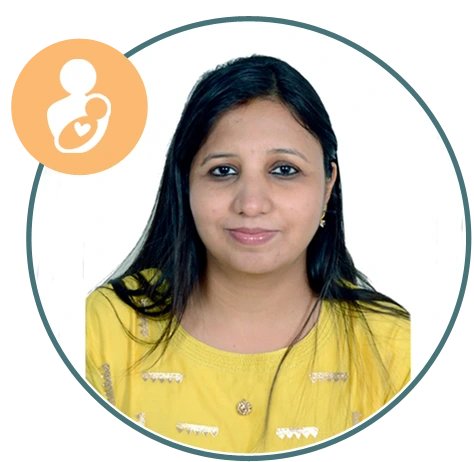
At Chembur Fertility Clinic, Dr. Manjushri Kothekar provides fertility and reproductive medicine consultations with a focus on individualized treatment planning. Her professional profile states that she has more than 12 years of experience in Obstetrics and Gynaecology, including nine years exclusively in IVF and infertility.
Understanding Infertility
Infertility generally refers to difficulty achieving pregnancy despite regular, unprotected intercourse. It can affect both women and men, and sometimes no single cause is identified.
Female infertility may be associated with:
- Ovulation disorders
- Polycystic ovary syndrome (PCOS)
- Reduced ovarian reserve
- Blocked or damaged fallopian tubes
- Endometriosis
- Uterine abnormalities
- Age-related decline in fertility
Male infertility can be associated with low sperm count, reduced sperm motility, abnormal sperm morphology, hormonal problems, or difficulties with sperm delivery.
Because fertility involves both partners, evaluation of both individuals can be an important part of the diagnostic process.
When Should You Visit a Fertility Specialist?
Couples often wonder how long they should wait before seeking professional advice. The appropriate timing depends on factors including age, reproductive history, menstrual cycles, and previous fertility concerns.
A fertility consultation can be considered when pregnancy has not occurred after a reasonable period of trying, or sooner when there are known reproductive health concerns.
Earlier evaluation may be particularly relevant for women with irregular or absent periods, known endometriosis, previous pelvic surgery, recurrent pregnancy loss, or other factors that may affect fertility.
A consultation does not necessarily mean that IVF will be required. The purpose of an initial assessment is to understand the situation and identify the least invasive appropriate treatment option.
About Dr. Manjushri Kothekar
Dr. Manjushri Kothekar is an IVF and infertility specialist with qualifications including MBBS, MS – Obstetrics & Gynaecology, and a Fellowship in IVF and Reproductive Medicine. She completed her MS in Obstetrics and Gynaecology from the Institute of LTMGH, Sion, and subsequently completed a one-year fellowship in IVF and Reproductive Medicine at NOVA IVF Fertility.
Her professional experience includes working with established fertility centers such as Currae IVF, Cocoon Fertility, and NOVA IVI Fertility. Her profile also describes experience in managing complex infertility cases and complications associated with assisted reproduction.
Dr. Kothekar has undertaken specialized training in areas including ICSI, laparoscopic procedures, and endoscopic skills. Her profile also notes research publications in international journals and contributions to medical publications.
This combination of formal training, fertility-specific experience, and continuing professional development supports an individualized approach to reproductive care.
Fertility Services Available
Chembur Fertility Clinic provides consultation and fertility treatment planning for a range of reproductive concerns. Services described on the clinic’s website include IUI, IVF and ICSI, donor egg treatment, PGT, donor sperm treatment, and embryo donation/adoption.
IUI Treatment
Intrauterine insemination (IUI) is a relatively simple assisted reproductive technique in which processed sperm is placed directly into the uterus around the time of ovulation.
IUI may be considered in selected situations, including some cases of unexplained infertility, reduced sperm motility, or ejaculation-related difficulties. Whether it is appropriate depends on the couple’s individual evaluation.
IVF Treatment
In vitro fertilization, or IVF, involves fertilizing an egg with sperm in a laboratory and subsequently transferring an embryo into the uterus.
An IVF cycle typically involves ovarian stimulation, monitoring of follicular development, egg retrieval, fertilization, embryo development, and embryo transfer.
The precise protocol varies depending on factors such as age, ovarian reserve, previous treatment, and medical history.
ICSI
Intracytoplasmic sperm injection (ICSI) is an IVF technique in which a single sperm is injected directly into a mature egg.
ICSI may be considered when male-factor infertility affects fertilization, when previous IVF resulted in poor or failed fertilization, or in certain other circumstances determined by the fertility specialist.
Donor Egg and Donor Sperm Treatment
For some individuals and couples, using donor reproductive material may be an appropriate option.
Donor egg treatment may be considered in circumstances such as significantly reduced ovarian reserve or premature ovarian insufficiency, depending on medical assessment and applicable regulations.
Donor sperm treatment can provide an option for selected cases of severe male-factor infertility or other specific circumstances.
A fertility specialist can explain the medical, legal, ethical, and emotional considerations before proceeding.
Preimplantation Genetic Testing
Preimplantation genetic testing (PGT) can be performed in conjunction with IVF to assess embryos for certain genetic or chromosomal abnormalities before embryo transfer.
The clinic describes different applications of PGT, including PGT-A, PGT-SR, and PGT-M, depending on the specific clinical and genetic circumstances.
PGT is not required for every IVF cycle. Its suitability depends on factors such as genetic history, age, recurrent pregnancy loss, previous IVF outcomes, or a known genetic condition.
A Personalized Fertility Treatment Plan
Fertility treatment should not follow the same protocol for everyone.
Before recommending treatment, a fertility specialist may consider:
- Age of both partners
- Duration of infertility
- Menstrual history
- Ovulation
- Ovarian reserve
- Fallopian-tube status
- Semen analysis
- Previous pregnancies
- Previous fertility treatments
- Medical and surgical history
- Genetic or reproductive concerns
This information helps determine whether timed conception, medication, IUI, IVF, ICSI, donor treatment, or another approach may be appropriate.
For patients looking for a Top IVF Doctor in Mumbai, an individualized approach can be particularly valuable because fertility challenges often involve multiple factors.
The Importance of Fertility Testing
Fertility testing is designed to identify potential factors affecting conception.
For women, evaluation may include ultrasound, ovarian-reserve assessment, hormonal testing, ovulation assessment, and evaluation of the uterus and fallopian tubes when indicated.
For men, semen analysis is one of the key initial investigations. It assesses factors such as sperm concentration, motility, and morphology.
Testing both partners can help prevent unnecessary delays and guide treatment more efficiently.
Clinic Environment and Patient-Centred Care
Chembur Fertility Clinic is located at Shubham Flora near Basant Park in Chembur. The clinic’s website states that the Chembur location is primarily for consultations and sonography, while fertility treatments are conducted at affiliated assisted reproductive technology (ART) centers.
This distinction is important for patients planning their treatment journey because consultation, diagnostic evaluation, and procedures may take place at different affiliated facilities.
Why Choose an IVF Specialist?
Choosing a fertility specialist is about more than selecting a treatment. Patients should have an opportunity to understand their diagnosis, available options, expected timelines, potential risks, and realistic outcomes.
Dr. Kothekar’s experience in IVF and infertility, along with training in assisted reproductive techniques, allows her to provide consultation across a range of fertility concerns. Her practice also emphasizes explaining fertility treatments and addressing common misconceptions through patient education.
For someone searching for an IVF Specialist in Mumbai, a consultation with a reproductive-medicine specialist can help clarify whether assisted reproduction is appropriate and which option may best suit the individual situation.
Your Fertility Journey Can Begin With an Evaluation
Infertility can be emotionally challenging, but seeking medical advice does not mean that a couple must immediately undergo an advanced procedure.
A structured evaluation can provide answers and help identify the next appropriate step. In some cases, simple interventions may be sufficient. In others, IUI or IVF may be recommended.
The most appropriate treatment depends on the specific cause, age, reproductive history, and medical findings.
Schedule Your Fertility Consultation Today
If you have been trying to conceive or have concerns about your reproductive health, a timely fertility evaluation can help you understand the available options.
📞 Contact: +91 97693 87593
📧 Email: manjuamolkothekar@gmail.com
📍 Get directions to Chembur Fertility Clinic
Take the first step toward understanding your fertility options with personalized guidance from Dr. Manjushri Kothekar, an IVF and reproductive-medicine specialist with extensive experience in infertility care.
Frequently Asked Questions
1. When should I consult a fertility specialist?
You can consider a fertility consultation when pregnancy has not occurred after an appropriate period of trying, or sooner if you have irregular periods, known reproductive problems, previous pregnancy losses, or other concerns affecting fertility.
2. Does everyone with infertility need IVF?
No. IVF is only one of several fertility treatments. Depending on the diagnosis, treatment may include lifestyle changes, medication, ovulation induction, IUI, or other approaches. A specialist evaluation helps determine the most appropriate option.
3. What is the difference between IVF and ICSI?
Both are assisted reproductive techniques. IVF involves fertilization in a laboratory, while ICSI involves directly injecting a selected sperm into a mature egg. ICSI may be useful in selected cases, particularly when male-factor infertility or previous fertilization problems are present.
4. Does age affect fertility treatment?
Yes. Age can influence egg quantity and quality and therefore affects fertility and treatment planning. A specialist can assess ovarian reserve and other factors to help patients understand their individual reproductive options.