
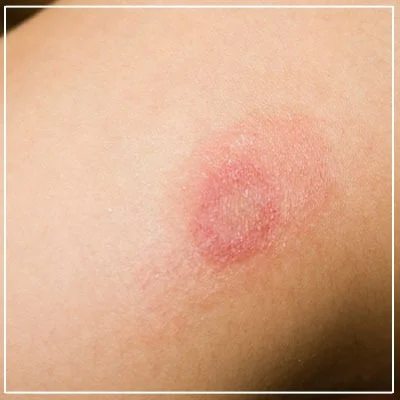
Fungal skin infections are common conditions that can cause itching, redness, scaling, irritation, and changes in skin colour. They may affect different parts of the body, including the feet, groin, underarms, scalp, and body folds. Warm, humid weather, sweating, and prolonged moisture can create favourable conditions for fungal growth, making proper skin care and timely medical assessment important. Fungal infection treatment in Mumbai begins with identifying the type of infection, understanding its severity, and choosing the appropriate antifungal treatment. Dr. Deepam Shah at Viva Aesthetic Clinic provides dermatology consultations to help patients understand their skin concerns and explore suitable treatment options.
Although some fungal infections improve with appropriate medication, untreated or incorrectly treated infections may persist or recur. This guide explains the causes, symptoms, diagnosis, treatment options, prevention measures, and the importance of consulting a qualified dermatologist.
What Is a Fungal Skin Infection?
A fungal skin infection develops when fungi grow on the skin, nails, or scalp. Certain fungi thrive in warm, moist environments and can multiply when conditions are favourable. Some infections spread through direct skin contact, contaminated surfaces, shared personal items, or infected animals.
Common fungal skin infections include:
- Ringworm (tinea corporis): Often produces circular, scaly patches that may have a raised border.
- Athlete’s foot (tinea pedis): Can cause itching, peeling, cracking, or scaling between the toes and on the feet.
- Jock itch (tinea cruris): Affects the groin and nearby skin, causing an itchy, irritated rash.
- Candidiasis: An infection caused by Candida yeast, which may affect moist areas such as skin folds.
- Scalp fungal infection (tinea capitis): Can cause scaling, itching, broken hairs, or patches of hair loss.
- Nail fungal infection: May cause thickened, brittle, discoloured, or distorted nails.
Not every itchy or red rash is fungal. Eczema, psoriasis, allergic reactions, and bacterial infections can cause similar symptoms, so accurate diagnosis is essential.
Common Causes and Risk Factors
Fungal infections can develop when the skin remains warm and moist for extended periods. Several everyday habits and health factors may increase the risk.
Excessive sweating: Sweat trapped under tight clothing can create a moist environment that encourages fungal growth.
Hot and humid weather: Mumbai’s climate can contribute to persistent moisture, especially in skin folds and areas covered by clothing.
Sharing personal belongings: Towels, footwear, clothing, and grooming equipment may spread certain fungal infections.
Poor ventilation: Tight or non-breathable clothing and damp footwear can increase moisture around the skin.
Reduced immunity: People with weakened immune systems may be more susceptible to certain infections.
Underlying health conditions: Diabetes and other conditions can increase the risk of some fungal infections or complicate their management.
Incorrect use of steroid creams: Creams containing corticosteroids may temporarily reduce redness and itching while masking or worsening an underlying fungal infection. Combination creams should only be used when recommended by a qualified clinician.
Understanding these risk factors helps patients make practical changes alongside prescribed treatment.
How Is a Fungal Infection Diagnosed?
An accurate diagnosis is important because different skin conditions can look similar but require different treatments. During a dermatology consultation, the doctor may ask when the symptoms began, whether the rash has spread, which products or medications you have used, and whether the infection has returned previously.
The examination may include:
- Visual skin examination: Assessing the rash’s appearance, location, borders, scaling, and extent.
- Skin scraping: Collecting a small sample for microscopic examination when the diagnosis is uncertain.
- Laboratory testing: A fungal culture or other tests may be recommended for persistent, recurrent, or atypical infections.
- Additional assessment: Nail or scalp infections may require specific examinations or sample collection.
Testing is not necessary in every case. The dermatologist decides which investigations are appropriate based on the symptoms and examination findings.
Fungal infection treatment in Mumbai: Available Options
Treatment depends on the type of fungus, the body area affected, the severity of the infection, and the patient’s medical history. A dermatologist can recommend an appropriate treatment plan rather than relying on self-diagnosis.
1. Topical antifungal medications
Antifungal creams, gels, lotions, or other topical preparations may be prescribed for localised infections affecting the skin. The medication and duration depend on the suspected fungus and the affected area. Patients should complete the recommended course even if symptoms improve earlier.
2. Oral antifungal medications
Tablets or other oral medicines may be necessary for extensive infections, certain scalp or nail infections, or cases that do not respond to topical treatment. These medicines can have side effects and interactions with other drugs. A doctor may recommend blood tests or other monitoring depending on the medication and the patient’s health.
3. Treatment for fungal nail infections
Nail infections can be difficult to manage because the fungus may persist within the nail. Treatment can involve topical or oral antifungal medication, depending on the extent and type of infection. Viva Aesthetic Clinic also describes Nd:YAG laser treatment as an option for selected fungal nail cases. Its suitability and expected benefits should be discussed with a qualified dermatologist, as laser treatment is not a guaranteed replacement for standard antifungal therapy.
4. Managing recurrent infections
If an infection repeatedly returns, the dermatologist may reassess the diagnosis, medication use, treatment duration, hygiene habits, and possible contributing conditions. Persistent rashes should not automatically be treated with stronger creams without further evaluation.
Avoid using steroid-containing combination creams or leftover prescription medicines without medical advice. They may mask symptoms, delay the correct diagnosis, or worsen some fungal infections.
Tips to Prevent Fungal Skin Infections
Along with appropriate treatment, everyday habits can help reduce moisture and limit the spread of infection.
- Keep the skin clean and dry, especially between the toes and within skin folds.
- Change out of sweaty clothes promptly and choose breathable fabrics.
- Dry towels, footwear, and sports equipment thoroughly before reuse.
- Avoid sharing towels, socks, shoes, and personal grooming items.
- Wear footwear in communal showers and around public swimming pools.
- Wash clothing and towels regularly, particularly during an active infection.
- Avoid scratching affected areas, which can irritate the skin and spread infection to other areas.
- Follow the prescribed treatment plan and seek reassessment if symptoms persist or worsen.
If someone in your household has a contagious fungal infection, avoid sharing personal items and follow the healthcare professional’s advice about cleaning and preventing transmission.
Why Choose Dr. Deepam Shah at Viva Aesthetic Clinic?
Dr. Deepam Shah is an experienced dermatologist, cosmetologist, and hair transplant surgeon practising in Mumbai. He holds an MBBS degree from the University of Bombay, a DNB in Dermatology and Venereology from the University of Delhi, and a Fellowship in Aesthetic Medicine, Hair Transplant, Dermatology, and Cosmetology from ILAMED. He has more than a decade of clinical experience in skin and hair treatments.
His expertise includes diagnosing and managing a range of dermatological conditions, including fungal infections, acne, eczema, psoriasis, and other skin concerns. His approach emphasises identifying the underlying cause of a problem and recommending treatment according to the patient’s individual needs.
Viva Aesthetic Clinic features a spacious, approximately 1,000-square-foot clinical environment with modern medical devices, advanced laser technology, and trained support staff. The clinic provides dermatology, skin, hair, and aesthetic services, with an emphasis on individual assessment and patient guidance.
For people seeking a Dermatologist in Mumbai, consulting a qualified professional can help distinguish fungal infections from other skin conditions and avoid inappropriate self-treatment. Patients looking for a Skin Specialist in Mumbai can discuss their symptoms, previous treatments, and concerns with Dr. Deepam Shah.
Book an Appointment for Fungal Infection Treatment
If you have persistent itching, a spreading rash, scaling, or recurring skin irritation, consider arranging a dermatology consultation. Fungal infection treatment in Mumbai at Viva Aesthetic Clinic starts with assessing the affected area and determining which treatment is appropriate for your condition.
Contact Dr. Deepam Shah at Viva Aesthetic Clinic:
+91 93245 89084 | 022 3573 1556
clinicvivacosmetic@gmail.com
Get Directions to the Clinic: Viva Aesthetic Clinic, Mumbai
Contact the clinic to schedule an appointment and discuss your symptoms with Dr. Deepam Shah. Early evaluation can help establish the correct diagnosis and support appropriate treatment.
Frequently Asked Questions
1. How long does a fungal skin infection take to heal?
Recovery depends on the type, location, and severity of the infection and the prescribed treatment. Some skin infections improve within a few weeks, while scalp and nail infections may require longer treatment.
2. Can fungal infections spread from one person to another?
Yes. Certain fungal infections can spread through direct skin contact, shared towels or clothing, contaminated surfaces, and infected animals. Good hygiene and avoiding shared personal items can help reduce transmission.
3. Can I use an over-the-counter cream for a fungal infection?
It is better to seek medical advice if you are unsure of the diagnosis. Some creams contain steroids that may mask or worsen fungal infections. A dermatologist can recommend an appropriate antifungal treatment.
4. Why does my fungal infection keep coming back?
Recurrence may result from incomplete treatment, reinfection, persistent moisture, an incorrect diagnosis, or contributing medical conditions. A dermatologist can reassess the condition and recommend suitable next steps.