
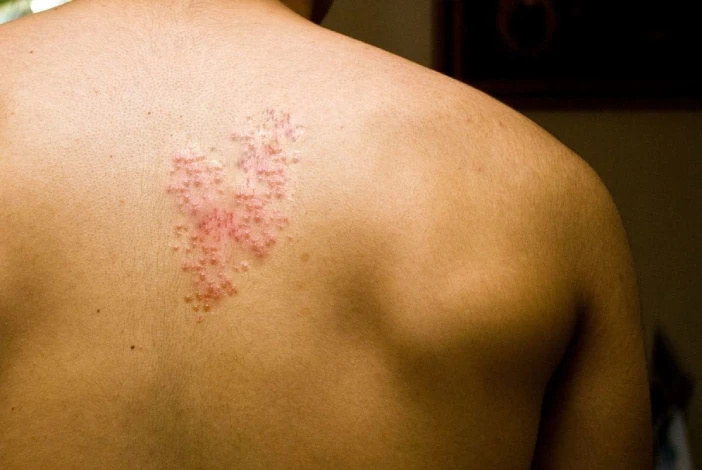
Herpes Zoster, commonly known as shingles, is a viral infection that causes a painful skin rash, usually appearing on one side of the body or face. It occurs due to the reactivation of the Varicella-Zoster Virus (VZV), the same virus responsible for chickenpox. After a person recovers from chickenpox, the virus remains dormant in the body’s nerve tissues and may reactivate years later.
Shingles can affect people of different age groups but is more common among older adults and individuals with weakened immune systems. The condition may begin with burning, tingling, itching or sharp pain before visible blisters develop. Early diagnosis and appropriate medical care are essential to manage symptoms, support healing and reduce the risk of complications.
If you experience unexplained nerve pain, a blistering rash or unusual skin sensitivity, consulting an experienced dermatologist is important. At Viva Aesthetic Clinic, Dr. Deepam Shah provides dermatological consultations and personalised treatment approaches to address various skin conditions, including viral skin infections.
What Causes Herpes Zoster?
Herpes Zoster develops when the Varicella-Zoster Virus becomes active again after remaining dormant in the nervous system. Although the exact reason for reactivation may vary, certain factors can increase the likelihood of developing shingles.
Common risk factors include:
- Ageing: The risk increases, particularly after the age of 50, as immunity naturally changes.
- Reduced immunity: Individuals with weakened immune systems may be more susceptible to viral reactivation.
- Medical conditions: Certain chronic illnesses can affect the body’s ability to control infections.
- Physical or emotional stress: Stress may influence immune function and overall health.
- Certain medications: Treatments that suppress the immune system may increase susceptibility.
Understanding these risk factors can help individuals recognise early symptoms and seek timely medical attention.
Common Symptoms of Herpes Zoster
Recognising shingles early can help reduce discomfort and the possibility of complications. Symptoms may develop in stages and usually affect a specific area supplied by an affected nerve.
The most common symptoms include:
- Pain and burning sensation: A sharp, burning or shooting pain may occur before the rash appears.
- Skin sensitivity: The affected area may become unusually sensitive to touch.
- Red skin rash: A red rash generally develops on one side of the body or face.
- Fluid-filled blisters: Small clusters of blisters may develop and eventually crust over.
- Itching and irritation: The affected skin may feel itchy or uncomfortable.
- Fever and fatigue: Some individuals experience headache, tiredness or mild fever.
The rash commonly appears around the chest, abdomen, back or face. If it affects the forehead, nose or area around the eyes, urgent medical assessment is particularly important because vision may be at risk.
How is Herpes Zoster Diagnosed?
A dermatologist generally diagnoses shingles through a clinical examination of the rash, its location and the associated pain or sensitivity.
During consultation, the doctor may:
- Examine the affected skin to identify characteristic blister patterns.
- Review the patient’s medical history and previous chickenpox infection.
- Evaluate pain, itching and other associated symptoms.
- Recommend laboratory testing of blister fluid when the diagnosis is uncertain.
Early diagnosis is particularly important because antiviral treatment is most effective when started promptly.
Herpes Zoster Treatment Options
There is no medication that completely eliminates the dormant Varicella-Zoster Virus from the body. However, appropriate treatment can control the active infection, reduce discomfort and lower the risk of complications.
Common treatment approaches include:
1. Antiviral Medications
Antiviral medicines such as acyclovir, valacyclovir or famciclovir may be prescribed to control viral multiplication. Treatment generally provides the greatest benefit when started within 72 hours of the rash appearing. However, patients should still seek medical assessment after this period, as treatment may be appropriate in certain circumstances.
2. Pain Management
Shingles can cause considerable nerve-related pain. Depending on the severity, a dermatologist may recommend suitable pain-relieving medicines. In cases of persistent or severe nerve pain, additional prescription treatments may be necessary.
3. Topical Skin Treatments
Medically recommended creams, lotions or soothing applications can help manage itching and skin irritation. Patients should avoid applying unprescribed products or irritating substances to the affected area.
4. Management of Inflammation
In selected cases, additional medication may be considered to manage inflammation. Corticosteroids are not routinely required and should only be used when specifically recommended by a doctor.
5. Treatment of Persistent Nerve Pain
Some patients experience postherpetic neuralgia (PHN), in which pain continues even after the rash has healed. Specialised nerve-pain medication and, in selected cases, pain-management procedures may be considered.
The appropriate treatment depends on the patient’s age, medical history, immune status, severity of infection and location of the rash.
Why Early Herpes Zoster Treatment Is Important
Delaying treatment can increase the possibility of complications and prolonged discomfort. One of the most common complications is postherpetic neuralgia, which causes persistent nerve pain after the skin lesions have healed.
Other possible complications include:
- Eye complications: Shingles affecting the eye can cause inflammation, infection and potentially permanent vision damage.
- Secondary bacterial infection: Scratching or damaging blisters can allow bacteria to enter the skin.
- Neurological complications: In rare cases, shingles can affect the nervous system, facial nerves or hearing.
- Long-lasting discomfort: Some patients experience nerve sensitivity and pain for months after recovery.
If you develop a rash around your eye or nose, vision changes, facial weakness, severe headache or widespread blisters, seek urgent medical attention rather than waiting for a routine appointment.
Meet Dr. Deepam Shah – Experienced Dermatologist in Mumbai
Choosing an experienced skin specialist is important when dealing with viral skin infections and other dermatological concerns. Dr. Deepam Shah, founder of Viva Aesthetic Clinic, is a qualified dermatologist, cosmetologist and hair transplant surgeon practising in South Mumbai.
He holds an MBBS degree from the University of Bombay (2010), followed by DNB in Dermatology and Venereology from the University of Delhi (2014). He also completed a Fellowship in Aesthetic Medicine, Hair Transplant and Dermatology at the Institute of Laser and Aesthetic Medicine (ILAMED) in 2014.
With over a decade of experience in skin and hair treatments, Dr. Shah focuses on understanding the underlying cause of skin concerns and recommending personalised treatment approaches.
His professional achievements include recognition as the Best Post Graduate Student at the Galderma Institute and a Silver Medal in the MUHS Examination, Mumbai. He has also contributed to dermatological education through conferences, seminars and public awareness initiatives.
Patients looking for a Dermatologist in Mumbai can consult Dr. Shah for professional assessment and guidance regarding their skin health.
Why Choose Viva Aesthetic Clinic?
Viva Aesthetic Clinic offers a professional environment designed to provide personalised skin and hair care. The clinic features an approximately 1,000-square-foot facility equipped with modern medical devices and advanced laser technology.
The clinic’s approach focuses on patient satisfaction, understanding individual concerns and providing appropriate treatment recommendations.
Key features include:
- Experienced dermatological leadership under Dr. Deepam Shah.
- Modern infrastructure and advanced medical equipment.
- Personalised consultations based on individual skin concerns.
- A trained team of qualified doctors and healthcare professionals.
- A comprehensive approach to skin, hair and aesthetic treatments.
Individuals searching for a reliable Dermatologist and Skin Specialist in Mumbai can explore the clinic’s services and schedule a consultation.
Tips for Managing Shingles During Recovery
Along with prescribed treatment, certain precautions can help patients remain comfortable during recovery:
- Keep the affected area clean and dry.
- Avoid scratching, rubbing or breaking the blisters.
- Wear loose-fitting clothing to minimise friction.
- Use cool compresses if recommended by your doctor.
- Avoid sharing towels or clothing that come into contact with blister fluid.
- Follow the prescribed medication schedule.
- Attend follow-up consultations if symptoms persist.
Shingles blisters should be covered where possible, and close contact with pregnant individuals who are not immune, newborns and immunocompromised people should be avoided until the lesions have crusted over.
Conclusion
Herpes Zoster is more than an ordinary skin rash. It is a viral infection that can cause significant pain, discomfort and long-term nerve complications if not managed appropriately. Recognising early symptoms and seeking timely dermatological advice can make an important difference in recovery.
For individuals seeking herpes zoster treatment in mumbai, Dr. Deepam Shah at Viva Aesthetic Clinic offers dermatological consultation and personalised guidance for managing shingles. Early evaluation, appropriate medication and proper skin care can help patients manage the condition and reduce the likelihood of complications.
Book Your Consultation with Dr. Deepam Shah at Viva Aesthetic Clinic
Experiencing a painful rash, burning sensation or unusual skin irritation? Do not ignore the symptoms. Timely medical evaluation can help identify shingles and determine the appropriate treatment.
Consult Dr. Deepam Shah at Viva Aesthetic Clinic for professional dermatological guidance and personalised skin care.
📞 93245 89084 | ☎️ 022 3573 1556
📧 clinicvivacosmetic@gmail.com
📍 Visit: Viva Aesthetic Clinic, Opera House or Colaba, Mumbai
Take the first step towards healthier skin. Contact Viva Aesthetic Clinic today to book your consultation with Dr. Deepam Shah.
Frequently Asked Questions (FAQs)
1. What is the best treatment for herpes zoster?
Treatment generally involves antiviral medications, pain management and appropriate skin care. Antiviral medicines are most effective when started within 72 hours of the rash appearing. A dermatologist can recommend treatment based on the patient’s symptoms and medical condition.
2. How long does herpes zoster take to heal?
Shingles blisters generally crust over and heal within two to four weeks. However, some individuals may experience nerve pain even after the rash disappears. Early treatment can help reduce the severity and duration of symptoms.
3. Is herpes zoster contagious?
Shingles itself cannot be transmitted to another person as shingles. However, the Varicella-Zoster Virus can spread through direct contact with fluid from active blisters and cause chickenpox in someone who has never had chickenpox or been vaccinated against it.
4. When should I consult a dermatologist for shingles?
You should consult a dermatologist as soon as you notice a painful rash, burning sensation, tingling or fluid-filled blisters. Immediate medical attention is particularly important if the rash appears near the eyes or is accompanied by vision problems or other serious symptoms.