
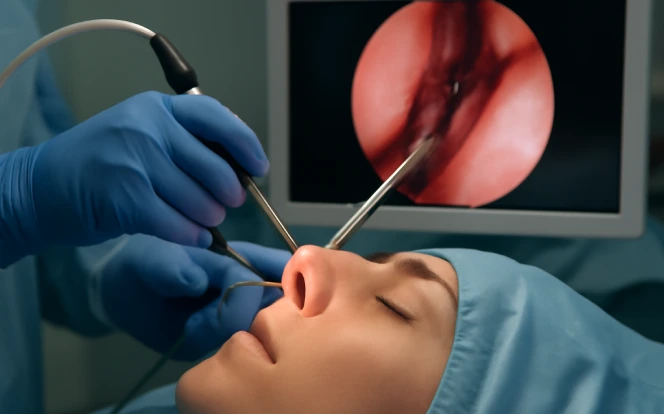
Persistent nasal blockage, reduced sense of smell, facial pressure and difficulty breathing comfortably through the nose can affect sleep, concentration and everyday activities. One possible cause is nasal polyps—soft, non-cancerous growths that develop in the lining of the nose or sinuses. When medication does not provide sufficient relief, an ENT specialist may recommend surgery. If you are considering nasal polypectomy in mumbai, Dr. Shama Kovale offers specialised ENT care at Kokilaben Dhirubhai Ambani Hospital and Medical Research Institute in Andheri West.
Dr. Kovale has extensive clinical and surgical experience in ENT, including endoscopic procedures for nasal and sinus conditions. A consultation helps establish whether nasal polyps are responsible for your symptoms and whether medication, surgery or a combination of treatments is appropriate.
What Are Nasal Polyps?
Nasal polyps are soft, usually painless, non-cancerous growths that develop from inflamed tissue lining the nasal passages or sinuses. They are often associated with chronic inflammation and may occur in people with chronic rhinosinusitis, allergies or asthma.
Small polyps may cause few symptoms. Larger polyps or multiple growths can obstruct airflow and interfere with sinus drainage. Common symptoms include:
- Persistent nasal congestion or blockage.
- Reduced or lost sense of smell.
- Reduced sense of taste.
- Runny nose or postnasal drip.
- Facial pressure or a feeling of fullness.
- Snoring, disturbed sleep or mouth breathing.
- Recurrent sinus symptoms.
These symptoms can also occur with other conditions, including allergies, a deviated nasal septum or chronic sinusitis without polyps. An ENT assessment is important for confirming the cause.
What Is Nasal Polypectomy?
Nasal polypectomy is a procedure to remove nasal polyps that obstruct the nasal passages or contribute to persistent symptoms. In many cases, the procedure is performed using endoscopic instruments, which allow the surgeon to view the inside of the nose and sinuses through a small camera.
The goal is to improve nasal airflow, relieve obstruction and, where appropriate, improve access to the sinus openings. If the polyps are associated with chronic sinus disease, the surgeon may recommend endoscopic sinus surgery alongside polyp removal to improve sinus drainage.
The exact procedure depends on the size and location of the polyps, the extent of sinus inflammation, previous surgery and the patient’s overall health. Nasal polypectomy does not permanently cure the underlying inflammation, so polyps can return in some patients.
When Is Nasal Polyp Surgery Recommended?
Nasal polyps are often managed initially with medication. A doctor may recommend saline nasal irrigation, intranasal corticosteroid sprays or other treatments depending on the symptoms and diagnosis.
Surgery may be considered when:
- Nasal obstruction remains significant despite appropriate medical treatment.
- The sense of smell remains reduced because of obstructing polyps.
- Chronic sinus symptoms continue to affect quality of life.
- Polyps obstruct sinus openings and contribute to ongoing inflammation.
- The specialist needs to investigate an unusual or one-sided nasal growth.
Not every nasal polyp requires surgery. The decision should be based on examination findings, symptom severity, response to medication and the potential benefits and risks of an operation.
How Is Nasal Polypectomy Performed?
The procedure usually involves several stages.
1. Consultation and diagnosis
The ENT specialist reviews your symptoms, medical history, allergies, asthma history and previous treatments. Nasal endoscopy may be used to examine the nasal passages and identify the location and extent of the polyps. A CT scan of the sinuses may be recommended when detailed assessment or surgical planning is needed.
2. Preparation for surgery
The surgeon explains the proposed procedure, anaesthesia, potential risks and expected recovery. Patients should disclose all medications, allergies and relevant medical conditions. Any medication adjustments should be made only on the treating team’s advice.
3. Endoscopic removal
Depending on the extent of disease, surgery may be performed under general anaesthesia. The surgeon uses an endoscope and specialised instruments to remove the polyps and, where indicated, address affected sinus openings. The technique is selected according to the individual anatomy and clinical findings.
4. Recovery and follow-up
After surgery, patients may experience temporary congestion, mild discomfort or a small amount of nasal bleeding. The surgeon may recommend saline rinses, prescribed nasal medication and follow-up visits to monitor healing. Patients should follow their individual discharge instructions and avoid strenuous activity for the period advised by their doctor.
Heavy bleeding, severe or worsening pain, high fever, vision changes or a severe headache after surgery require prompt medical attention.
Benefits and Risks of Nasal Polypectomy
For appropriately selected patients, nasal polyp removal may improve nasal airflow, reduce obstruction and help restore the sense of smell. When combined with suitable treatment for chronic sinus disease, it may also improve sinus drainage and symptom control.
However, outcomes vary. Possible risks include bleeding, infection, adhesions or scarring inside the nose, persistent symptoms and recurrence of polyps. Rare but serious complications can occur because the sinuses are close to the eyes and the base of the skull. Your surgeon will explain the risks relevant to your condition.
Long-term medical management remains important after surgery because inflammation may continue even after the polyps have been removed. Regular follow-up can help detect recurrence and guide ongoing treatment.
Why Consult Dr. Shama Kovale?
Choosing an ENT surgeon with relevant training and experience is important when considering nasal and sinus surgery. Dr. Shama Kovale is a senior consultant ENT surgeon with more than 23 years of clinical and surgical experience.
Her qualifications include an MBBS, Diploma in Otorhinolaryngology (DLO) and MS in ENT from B.Y.L. Nair Hospital and Topiwala National Medical College, Mumbai. Her advanced training includes a fellowship in phonosurgery at Bombay Hospital, cochlear implant training at P.D. Hinduja Hospital and specialised voice and swallowing training at the University of California, Davis, USA.
Her clinical expertise includes endoscopic ENT surgery, ear microsurgery, cochlear implants, voice and swallowing disorders, and selected airway procedures. Her wider ENT experience supports the assessment of nasal and sinus complaints, with treatment recommendations guided by the patient’s diagnosis and needs.
Dr. Kovale practises at Kokilaben Dhirubhai Ambani Hospital and Medical Research Institute in Andheri West. The hospital provides a clinical environment where consultations, diagnostic assessments and appropriate specialist care can be coordinated. Depending on the case, patients may need nasal endoscopy, imaging or follow-up treatment to manage chronic inflammation.
Patients searching for the Best ENT in Mumbai should look for a specialist whose training and experience are relevant to their condition and who explains treatment choices, limitations and risks clearly. Those searching for ENT Specialists Near Me in Mumbai can consult Dr. Kovale for evaluation of persistent nasal obstruction and related ENT concerns.
Can Nasal Polyps Return After Surgery?
Yes. Nasal polyps may recur because surgery removes the growths but does not necessarily eliminate the underlying inflammation. Recurrence is more likely in some people, particularly those with chronic rhinosinusitis, asthma or certain inflammatory conditions.
Your ENT specialist may recommend ongoing nasal corticosteroid treatment, saline irrigation, allergy management or regular endoscopic reviews. For selected patients with severe recurrent disease, additional treatment options may be considered. The plan should be personalised to the patient’s symptoms and examination findings.
Schedule Your Consultation Today
If nasal blockage, reduced smell or recurrent sinus symptoms are affecting your daily life, consult an ENT specialist to discuss the available treatment options.
Consult Dr. Shama Kovale at Kokilaben Dhirubhai Ambani Hospital for timely evaluation and expert hearing care.
Give Us a Ring: +91-91528 50769
Email: drshamakovaleent@gmail.com
When booking your consultation, mention your nasal symptoms and bring previous prescriptions, sinus scans or endoscopy reports if available.
Frequently Asked Questions
1. Is nasal polypectomy a major surgery?
The complexity depends on the number and location of the polyps and whether additional sinus surgery is needed. Many procedures are performed endoscopically, but anaesthesia, recovery and risks vary. Your surgeon can explain what your individual procedure involves.
2. Does nasal polypectomy improve the sense of smell?
It may improve the sense of smell when nasal polyps are obstructing airflow or contributing to inflammation. Improvement is not guaranteed, especially if other conditions affect the smell receptors or inflammation persists.
3. Can nasal polyps grow back after removal?
Yes. Nasal polyps can recur because the underlying inflammation may continue. Prescribed nasal medication, saline rinses and regular follow-up can help manage the condition and monitor for recurrence.
4. How can I consult Dr. Shama Kovale for nasal polyp treatment?
Contact Kokilaben Dhirubhai Ambani Hospital and Medical Research Institute to enquire about an appointment with Dr. Shama Kovale. Call +91-91528 50769 or email drshamakovaleent@gmail.com to arrange a consultation.