
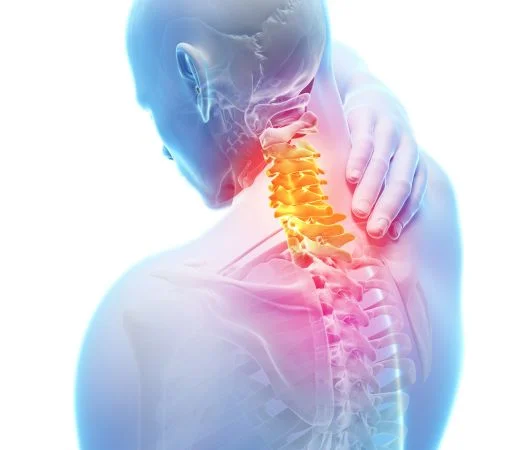
Neck pain is increasingly common among people who spend long hours at computers, use smartphones frequently or have physically demanding routines. While occasional stiffness may improve with rest and simple measures, persistent neck pain, pain radiating into the arm, numbness or weakness can indicate an underlying cervical spine problem requiring specialist assessment. For patients searching for a Neck pain doctor in Mumbai, Synapse Spine provides access to a team of orthopaedic spine and neuro-spine surgeons who evaluate cervical spine conditions and develop treatment plans based on the individual’s diagnosis. The team combines specialist training, modern technology and patient-centred care for a range of spinal disorders.
Neck pain doctor in Mumbai: When Should You Seek Specialist Care?
Neck pain can have several causes, ranging from muscle strain and poor posture to cervical disc problems, arthritis and nerve compression. Sleeping in an awkward position or using an unsuitable pillow can also cause temporary discomfort.
However, persistent or progressively worsening pain deserves medical evaluation. According to Synapse Spine’s clinical information, neck pain accompanied by pain travelling down the arm or weakness in the muscles may require assessment by a spine surgeon.
Other symptoms that may warrant evaluation include:
- Persistent neck stiffness
- Reduced range of neck movement
- Numbness or tingling in the arms or hands
- Arm pain associated with neck discomfort
- Muscle weakness
- Headaches associated with cervical discomfort
- Neck pain following an accident or injury
- Symptoms that continue despite conservative treatment
Early evaluation can help determine whether the problem is primarily muscular, mechanical, neurological or related to a structural abnormality of the cervical spine.
Common Causes of Neck Pain
One of the most common causes is muscular strain. Poor posture, prolonged sitting and repetitive activities can place additional stress on the muscles and ligaments supporting the neck.
Poor ergonomics are another important factor. Spending several hours looking down at a phone or working at an improperly positioned computer can contribute to sustained cervical strain.
Other possible causes include:
Herniated or slipped discs: A cervical disc may bulge or rupture and irritate nearby nerves.
Cervical spondylosis: Age-related degenerative changes can affect the discs, joints and vertebrae of the neck.
Nerve compression: Conditions such as cervical spondylosis or foraminal stenosis can narrow spaces through which nerves pass.
Trauma: Whiplash and other injuries can cause acute neck pain and stiffness.
Arthritis: Degenerative or inflammatory arthritis may affect the cervical joints.
Less common causes include infection, inflammatory disease and tumours. The cause cannot reliably be determined from symptoms alone, which is why persistent or unusual pain may require clinical assessment.
How Is Neck Pain Diagnosed?
A consultation with a Neck pain doctor in Mumbai typically begins with a detailed medical history and physical examination. The doctor may ask about when the pain started, whether it radiates into the arms, what activities make it worse and whether symptoms such as numbness or weakness are present.
Imaging and other investigations are selected according to the symptoms and clinical findings.
X-rays can help identify changes involving the cervical vertebrae, alignment, fractures and degenerative changes.
MRI scans provide detailed images of the spinal cord, nerves, discs and other soft tissues. They may help identify disc herniation, nerve compression, infection or masses.
CT scans provide detailed information about bone structures and may be useful when MRI is unavailable or when particular bony abnormalities need evaluation.
Electrodiagnostic testing, including nerve conduction studies and electromyography, may be considered when nerve function needs further assessment.
Blood and urine tests can occasionally be useful when an infection, inflammatory disorder or another non-musculoskeletal cause is suspected.
Conservative Treatment for Neck Pain
Not every patient with neck pain requires surgery. In many cases, treatment begins with conservative measures based on the underlying cause.
Depending on the diagnosis, treatment may include activity modification, physiotherapy, posture correction, medications and exercises.
Pain-relieving or anti-inflammatory medicines may be prescribed when clinically appropriate. Muscle relaxants may sometimes be used for muscle-related symptoms.
Physiotherapy can focus on improving neck mobility, strengthening supporting muscles and correcting movement or posture patterns that may contribute to symptoms.
Patients should avoid prolonged self-medication, particularly when pain persists or is accompanied by neurological symptoms.
Injections for Cervical Pain
For selected patients with nerve-related neck and arm pain, injections around affected nerve roots may be considered.
Steroid injections can reduce inflammation around irritated nerves and may provide temporary symptom relief. However, injections are not appropriate for every cause of neck pain and should be recommended only after appropriate clinical evaluation.
The purpose of an injection may vary. In some situations it is used primarily for symptom relief; in others, improvement in pain may help the patient participate more effectively in rehabilitation.
The risks, expected benefits and alternatives should be discussed before any injection procedure.
When Is Neck Surgery Considered?
Most neck pain does not require surgery. Surgery may be considered when there is significant structural compression of nerves or the spinal cord, persistent symptoms despite appropriate non-surgical treatment, progressive neurological weakness or certain traumatic or degenerative conditions.
The decision depends on the diagnosis rather than pain intensity alone.
A specialist may review MRI findings alongside the neurological examination before recommending surgery. Imaging abnormalities are relatively common, particularly with increasing age, and do not always explain a patient’s symptoms.
Possible surgical approaches vary depending on the problem. The appropriate procedure may involve decompression, disc surgery, stabilisation or another technique suited to the affected cervical level.
Spine Specialists at Synapse Spine
Synapse Spine Surgeons describes its medical team as comprising orthopaedic spine surgeons and neuro-spine surgeons trained at leading institutions in India and abroad. The team treats conditions including slipped discs, sciatica, spinal stenosis, neck pain, back pain and more complex spinal disorders.
The team includes specialists with different areas of expertise.
Dr. Aditya Raj, an Orthopaedic Spine Surgeon, completed orthopaedic training at Seth G. S. Medical College and KEM Hospital in Mumbai and was a gold medallist. He subsequently completed an AO Spine North America complex spine surgery fellowship at the University of Toronto, a spine fellowship in Ahmedabad and additional training in spinal deformities and endoscopic spine surgery in South Korea. His interests include spinal deformities, spinal tumours, craniovertebral junction diseases and spinal infections.
Dr. Anuj Bhide is a Brain and Spine Surgeon with MBBS, MS General Surgery and MCh Neurosurgery qualifications. He is a gold medallist from Grant Medical College and JJ Hospitals and completed a fellowship in skull base and vascular surgery at Fujita Health University in Japan. His clinical work includes complex brain and spine conditions and minimally invasive spine procedures.
Dr. Nandan Marathe, an Orthopaedic Spine Surgeon, completed MBBS and MS Orthopaedics at KEM Hospital as a gold medallist with distinction. He pursued fellowship training in complex spine surgery and spinal deformities at the University of Toronto, with additional training in spinal tumours and minimally invasive and endoscopic spine surgery.
The wider Synapse Spine team includes specialists in orthopaedic spine surgery, neurosurgery, minimally invasive procedures, deformity correction, spinal tumours and pain management.
Expertise in Minimally Invasive and Endoscopic Spine Surgery
Modern spine surgery includes several minimally invasive techniques. Synapse Spine lists endoscopic spine surgery among its treatment capabilities and highlights technologies such as operating microscopes, neuromonitoring and ultrasonic bone scalpel systems.
Endoscopic procedures use a small access point and a camera to visualise the surgical area. They may be appropriate for selected disc and nerve-compression conditions.
Minimally invasive treatment does not mean that every patient should undergo an endoscopic procedure. The appropriate approach depends on the level and type of pathology, spinal stability, previous surgery, neurological findings and other patient-specific factors.
Clinic Environment and Patient-Centred Care
For someone researching a Top Spine Specialist in Mumbai, India, the clinic environment and accessibility are practical considerations alongside medical qualifications.
Synapse Spine describes its approach as combining modern technology, clinical expertise and patient-centred care. The practice provides consultation across multiple Mumbai locations, allowing patients in different parts of the city to access its spine specialists.
The clinic network includes locations in areas such as Bandra, Andheri, Vile Parle, Goregaon, Malad, Borivali and other parts of Mumbai and the surrounding region. Patients should confirm the appropriate consultation location and timings before visiting.
A spine consultation generally involves understanding the patient’s symptoms, examining neurological function and reviewing relevant imaging. This helps the surgeon distinguish between conditions that can be treated conservatively and those that may require intervention.
Managing Neck Pain at Home
For uncomplicated, short-term neck discomfort, several basic measures may be helpful. Maintaining good sitting posture, taking regular breaks from prolonged screen use and adjusting the height of a computer monitor can reduce unnecessary strain.
Gentle movement may be preferable to prolonged immobilisation in many uncomplicated cases. However, exercises should be appropriate for the underlying condition.
A suitable pillow and sleeping position may also help some patients. Individuals who have sustained an injury or developed neurological symptoms should not rely solely on home remedies.
Persistent pain, arm weakness, numbness or symptoms following significant trauma should be assessed by a qualified medical professional.
Why a Specialist Assessment Matters
Searching online for a Neck pain doctor in Mumbai can provide a starting point, but choosing a specialist should involve reviewing the nature of the symptoms, the doctor’s qualifications, relevant expertise and the available treatment options.
A specialist assessment does not automatically mean surgery. In fact, the Synapse Spine neck-pain guidance notes that most instances of neck pain do not require surgery. Surgical treatment is considered in selected cases where structural problems cause significant nerve compression or other clinically important issues.
Patients should ask questions about their diagnosis, treatment alternatives, expected recovery, possible complications and follow-up requirements before proceeding with an invasive procedure.
Consult Synapse Spine
If persistent neck pain, arm symptoms, numbness or weakness is affecting your daily activities, a specialist evaluation can help identify the underlying cause and determine an appropriate treatment pathway.
📞 +91 81698 45056 | +91 93726 71858 | +91 93211 24611
📧 synapsespine@gmail.com
Get Directions to the Clinic – Synapse Spine, Mumbai
If you are looking for a Neck pain doctor in Mumbai, contact Synapse Spine to schedule a spine consultation. The Synapse Spine team can assess your symptoms and discuss appropriate non-surgical or surgical treatment options based on your individual condition.
Frequently Asked Questions
1. When should I see a neck pain specialist?
You should consider specialist evaluation when neck pain persists, repeatedly returns, worsens despite conservative measures or is accompanied by arm pain, numbness, tingling or weakness. Neck pain following significant trauma also warrants medical assessment.
2. Does every case of neck pain require surgery?
No. Most cases of neck pain do not require surgery. Treatment may involve medication, physiotherapy, activity modification and other conservative measures. Surgery is considered only for selected structural or neurological conditions.
3. Which tests may be used to diagnose neck pain?
Depending on the symptoms, a doctor may recommend X-rays, MRI, CT scans or electrodiagnostic tests. MRI is particularly useful for evaluating discs, nerves, spinal cord and other soft tissues.
4. Who are the spine surgeons at Synapse Spine?
Synapse Spine has a multidisciplinary team of orthopaedic spine and neuro-spine surgeons. Its published doctor profiles include specialists such as Dr. Aditya Raj, Dr. Anuj Bhide, Dr. Nandan Marathe, Dr. Medha Vyas and other spine surgeons with different areas of training and expertise.