
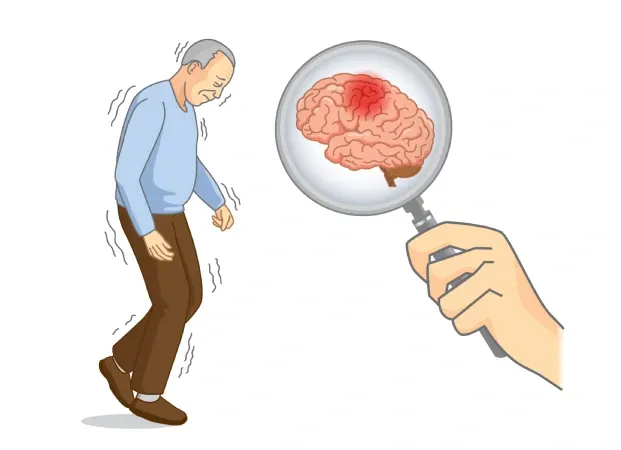
Parkinson’s disease is a progressive neurological disorder that can significantly affect movement, balance, coordination, and daily activities. During my recent visit to Lalbaug Diagnostics, I had the opportunity to interact with Dr. Manish Baldia and understand the modern approach to managing Parkinson’s disease. Our discussion highlighted the importance of early diagnosis, individualized treatment plans, and long-term neurological care in helping patients maintain independence and improve their quality of life.
People experiencing tremors, stiffness, slowed movements, or balance problems should not ignore these symptoms. Consulting an experienced specialist for Parkinson treatment in Mumbai allows timely diagnosis and access to therapies that help control symptoms and support long-term neurological health.
Parkinson Treatment in Mumbai: Understanding Parkinson’s Disease
Parkinson’s disease is a chronic neurodegenerative disorder that primarily affects movement. It occurs when nerve cells in the brain responsible for producing dopamine gradually deteriorate, leading to reduced dopamine levels.
As dopamine decreases, communication between different parts of the brain becomes impaired, resulting in movement-related symptoms and, over time, non-motor symptoms as well.
Although Parkinson’s disease cannot currently be cured, Parkinson treatment in Mumbai focuses on early diagnosis and appropriate treatment to effectively manage symptoms, improve daily functioning, and enhance the patient’s overall quality of life.
Common Symptoms of Parkinson’s Disease
Symptoms often develop gradually and vary from person to person.
Common signs include:
- Resting tremors
- Muscle stiffness
- Slowness of movement (Bradykinesia)
- Difficulty walking
- Balance and posture problems
- Reduced facial expressions
- Soft speech
- Small handwriting
- Difficulty swallowing
- Sleep disturbances
- Constipation
- Depression and anxiety
- Memory and cognitive changes in later stages
Recognizing these symptoms early allows prompt neurological evaluation.
Who Should Consult a Neurologist?
Medical evaluation is recommended for individuals experiencing:
- Persistent tremors
- Difficulty with balance
- Slowed movements
- Muscle rigidity
- Frequent falls
- Changes in handwriting
- Difficulty performing routine activities
- Unexplained movement disorders
Early consultation helps distinguish Parkinson’s disease from other neurological conditions with similar symptoms.
Diagnostic Evaluation
Diagnosis is based on:
- Detailed medical history
- Neurological examination
- Assessment of movement symptoms
- Cognitive evaluation
- MRI brain when indicated
- Laboratory investigations to exclude other causes
There is no single blood test for Parkinson’s disease. Diagnosis relies primarily on clinical assessment by an experienced neurologist.
Treatment Options
Management is individualized according to disease stage and patient needs.
Treatment may include:
- Parkinson’s medications
- Dopamine replacement therapy
- Physical therapy
- Occupational therapy
- Speech therapy
- Exercise programs
- Nutritional guidance
- Advanced therapies such as Deep Brain Stimulation (DBS) in selected patients
A multidisciplinary approach helps patients maintain mobility and independence for as long as possible.
Benefits of Early Treatment
Timely diagnosis and treatment can offer several advantages:
- Better symptom control
- Improved mobility
- Reduced risk of falls
- Enhanced quality of life
- Greater independence
- Improved daily functioning
- Better long-term disease management
Early intervention allows patients and families to plan appropriate long-term care.
Living with Parkinson’s Disease
Dr. Manish Baldia emphasizes that lifestyle modifications complement medical treatment.
Patients are encouraged to:
- Exercise regularly.
- Follow prescribed medications consistently.
- Maintain a balanced diet.
- Stay socially active.
- Practice balance and strengthening exercises.
- Attend regular neurological follow-ups.
- Seek support from caregivers and family.
These measures contribute to better symptom management and overall well-being.
Risks of Delayed Treatment
Without timely management, Parkinson’s disease may lead to:
- Progressive mobility impairment
- Frequent falls
- Difficulty swallowing
- Reduced independence
- Cognitive decline
- Poor quality of life
- Increased caregiver burden
Early neurological care helps slow functional decline and optimize long-term outcomes.
Approximate Cost of Parkinson’s Treatment
The overall treatment cost depends on:
- Disease severity
- Diagnostic investigations
- Medication requirements
- Physiotherapy sessions
- Follow-up consultations
- Advanced treatment options if required
A personalized neurological evaluation helps determine the most appropriate treatment plan and associated costs.
Meet Dr. Manish Baldia
Choosing an experienced neurologist plays a crucial role in the long-term management of Parkinson’s disease.
Dr. Manish Baldia is a highly qualified Neuro Doctor in Mumbai with extensive experience in diagnosing and treating neurological disorders. His qualifications, advanced neurological training, and years of clinical practice have enabled him to manage a broad spectrum of movement disorders, stroke, epilepsy, headaches, neuropathies, and other complex neurological conditions.
Known for his patient-centered approach, Dr. Manish Baldia provides comprehensive neurological care using evidence-based treatment protocols and individualized management plans. His expertise includes Parkinson’s disease, movement disorders, stroke management, epilepsy, dementia, neuropathy, migraine, and various neurodegenerative conditions.
Lalbaug Diagnostics offers a modern clinical environment equipped with advanced diagnostic facilities, comfortable consultation spaces, and comprehensive neurological evaluation services. The clinic focuses on accurate diagnosis, patient education, and long-term follow-up to ensure continuity of care and improved patient outcomes.
Why Choose Dr. Manish Baldia?
Patients trust his practice for:
- Comprehensive neurological evaluation
- Expertise in movement disorders
- Personalized treatment plans
- Evidence-based neurological care
- Modern diagnostic support
- Compassionate patient communication
- Long-term disease management
- Focus on improving quality of life
Frequently Asked Questions
1. Can Parkinson’s disease be cured?
Currently, Parkinson’s disease has no cure. However, medications, rehabilitation, and advanced therapies can effectively control symptoms and improve quality of life.
2. Is Parkinson’s disease hereditary?
Most cases are not directly inherited, although genetics may contribute in some individuals along with environmental factors.
3. Does exercise help Parkinson’s patients?
Yes. Regular exercise improves flexibility, balance, mobility, muscle strength, and overall physical function when combined with medical treatment.
4. When should I consult a neurologist for Parkinson’s symptoms?
You should seek evaluation if you notice persistent tremors, stiffness, slowed movements, balance problems, or other unexplained movement abnormalities.
Schedule Your Consultation with Dr. Manish Baldia
If you or a loved one is experiencing symptoms suggestive of Parkinson’s disease, early neurological evaluation can make a significant difference. Schedule a consultation with Dr. Manish Baldia at Lalbaug Diagnostics for a comprehensive assessment and personalized treatment plan focused on improving mobility, independence, and quality of life.
Contact Details
📞 96767 67507
📧 drmanishbaldia@gmail.com
Get Directions to the Clinic – Lalbaug Diagnostics