
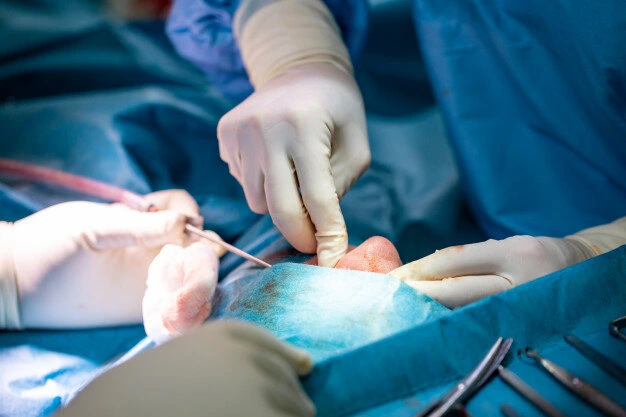
Rhinoplasty is a surgical procedure used to reshape the nose for cosmetic, functional, or reconstructive reasons. Patients may consider it to change the size or shape of the nose, correct a nasal hump, refine the tip, improve facial proportions, or address breathing difficulties caused by structural problems. Understanding the Rhinoplasty cost in Mumbai is an important part of planning treatment, but the overall decision should also consider the surgeon’s qualifications, experience, surgical facility, technique, and individual treatment requirements.
Dr. Siddharth Prakash at Ambrosia Aesthetics is an internationally trained, board-certified plastic surgeon who specializes in aesthetic plastic surgery, including rhinoplasty. He provides personalized consultations to help patients understand the achievable results, surgical options, recovery, and associated costs.
Rhinoplasty Cost in Mumbai: What Determines the Price?
The Rhinoplasty cost in Mumbai varies from patient to patient because every nose surgery requires individualized planning. According to the information provided by Ambrosia Aesthetics, rhinoplasty at a leading plastic surgery hospital with Dr. Siddharth Prakash generally starts from approximately ₹1,50,000 onwards. The stated cost includes hospital and anaesthetist charges in addition to the surgical fee, although the final price depends on the patient’s treatment plan.
Factors that can influence the final cost include:
- Complexity of the nasal deformity
- Type of rhinoplasty required
- Surgical technique selected
- Whether breathing correction is required
- Need for cartilage grafting
- Whether the procedure is a primary or revision rhinoplasty
- Hospital and anaesthesia charges
- Surgeon’s qualifications and experience
- Postoperative care and follow-up
A consultation is therefore necessary to determine an individualized estimate rather than relying solely on a general price range.
What Is Rhinoplasty?
Rhinoplasty, commonly called a nose job, changes the shape, size, or structure of the nose. It may be performed for aesthetic reasons or to improve nasal function. The surgery can involve modification of the nasal bone, cartilage, skin, or a combination of these structures.
Depending on the patient’s requirements, rhinoplasty may help:
- Reduce or increase nasal size
- Smooth a dorsal hump
- Refine or reshape the nasal tip
- Change nostril size or shape
- Improve nasal symmetry
- Correct a crooked nose
- Address certain breathing difficulties
- Correct deformities resulting from injury or congenital conditions
The objective is generally to create a nose that is balanced with the patient’s other facial features while preserving or improving nasal function where necessary.
Dr. Siddharth Prakash – Plastic Surgeon in India
Dr. Siddharth Prakash is a board-certified and internationally trained Plastic Surgeon in India with specialized education and fellowship training in cosmetic, craniofacial, facial, breast, and body-contouring surgery.
His qualifications include:
- MBBS from GSMC & KEM Hospital, Parel, Mumbai
- MS General Surgery from LTMMC & LTMGH, Sion, Mumbai
- DNB General Surgery from LTMMC & LTMGH
- DNB Plastic Surgery from Sir Ganga Ram Hospital, New Delhi
- Fellowship in Cosmetic & Craniofacial Surgery at Harvard Medical School and Massachusetts General Hospital, Boston
- Training in facelift and facial plastic surgery at New York University School of Medicine
- Fellowship in Aesthetic Surgery, Breast and Body Contouring at the Ivo Pitanguy Institute, Brazil
- Certificate Course in Advanced Rhinoplasty & Aesthetic Surgery through ISAPS in Istanbul, Turkey
His advanced rhinoplasty training includes working with internationally recognized specialists, providing additional exposure to specialized approaches to nasal surgery.
Clinical Experience and Rhinoplasty Expertise
Dr. Siddharth Prakash has worked at several major hospitals and institutions, including Sir Ganga Ram Hospital, Dr. R.N. Cooper Hospital, D.Y. Patil Hospital, and Kokilaben Dhirubhai Ambani Hospital. He is also associated with Lilavati Hospital and Research Centre in Bandra West and practices at Ambrosia Aesthetics in Andheri West.
His cosmetic surgery expertise includes rhinoplasty, facelift, liposuction, tummy tuck surgery, fat grafting, blepharoplasty, breast augmentation, breast reduction, breast lift, body contouring, and other aesthetic procedures.
For rhinoplasty specifically, his listed procedures include closed rhinoplasty, open rhinoplasty, tip plasty, reduction rhinoplasty, alarplasty, rhinoplasty using nasal implants, septoplasty, and revision rhinoplasty.
Types of Rhinoplasty
The appropriate technique depends on the patient’s anatomy, concerns, and surgical goals.
Open Rhinoplasty
An incision is made across the columella to provide broader access to the nasal structures. This may be useful when more extensive structural changes are required.
Closed Rhinoplasty
Incisions are made inside the nose, so there is no external incision. It may be appropriate for selected cases, although not every surgical correction can be performed through this approach.
Tip Plasty
This focuses specifically on reshaping or refining the nasal tip when extensive nasal restructuring is not required.
Reduction Rhinoplasty
This technique may be considered when the nose is disproportionately large or when a prominent nasal bridge or other structural feature needs reduction.
Revision Rhinoplasty
Revision rhinoplasty is performed after a previous nose surgery when additional correction is required. It can be more technically challenging because scar tissue, altered cartilage, or structural changes may be present.
How the Rhinoplasty Procedure Is Planned
Before surgery, Dr. Siddharth Prakash conducts a detailed consultation. This includes discussing the patient’s expectations, examining the nose and face, taking measurements, reviewing medical and surgical history, and photographing the face from different angles for documentation and planning.
The surgical plan is then customized according to the patient’s anatomy and desired outcome.
Depending on the case, cartilage grafts may be required. Graft material can include septal cartilage, ear cartilage, or rib cartilage when appropriate.
Benefits and Possible Risks
Rhinoplasty can provide both aesthetic and functional benefits for appropriately selected patients.
Potential benefits include:
- Improved facial harmony
- Correction of a nasal hump
- Improved nasal tip definition
- Correction of certain asymmetries
- Adjustment of nostril width
- Correction of some structural breathing problems
- Improvement of deformities following injury
Like any surgery, rhinoplasty also has potential risks. These may include bleeding, bruising, swelling, infection, wound-healing problems, asymmetry, changes in sensation, or an outcome that does not fully meet expectations.
Patients should discuss potential complications and limitations with their surgeon before making a decision.
Recovery After Rhinoplasty
Recovery varies depending on the surgical technique and extent of correction. According to Ambrosia Aesthetics, patients may be able to walk around shortly after surgery and may go home the same day or stay overnight depending on the circumstances.
A nasal dressing or splint may remain in place for approximately five to ten days. Patients may experience swelling or bruising, particularly when bone work is involved.
Normal daily activities may often be resumed relatively quickly, but vigorous exercise and weightlifting should generally be avoided during the early healing period as advised by the surgeon. Swelling can continue to decrease over several months, meaning the final appearance may become more refined gradually.
Clinic Environment at Ambrosia Aesthetics
Ambrosia Aesthetics is Dr. Siddharth Prakash’s independent practice in Lokhandwala Complex, Andheri West, Mumbai. His official profile describes the practice as providing high-quality patient care with an emphasis on comfort and a private, friendly atmosphere.
The clinic is located at:
Ambrosia Aesthetics
514–515, Kamdhenu 1,
1st Cross Lane, Lokhandwala Complex,
Andheri West, Mumbai, Maharashtra 400053.
For complex rhinoplasty surgery, Dr. Siddharth Prakash prefers to operate at Lilavati Hospital and Research Centre in Bandra West, according to the clinic’s rhinoplasty information.
Choosing a Plastic Surgeon for Rhinoplasty
When comparing options for Rhinoplasty cost in Mumbai, patients should look beyond the quoted surgical fee. Rhinoplasty is a technically demanding procedure where surgical planning and understanding of nasal anatomy are important.
Patients may consider:
- Board certification and specialist qualifications
- Specific rhinoplasty training
- Experience with primary and revision rhinoplasty
- Hospital facilities
- Surgical and anaesthesia support
- Before-and-after documentation
- Communication during consultation
- Postoperative follow-up
- Realistic expectations about results
The lowest quoted cost may not necessarily represent the most appropriate option. A qualified Plastic Surgeon in Mumbai should explain the procedure, limitations, risks, expected recovery, and complete treatment expenses before surgery.
Book a Consultation With Dr. Siddharth Prakash
If you are researching Rhinoplasty cost in Mumbai, a personalized consultation with Dr. Siddharth Prakash can help you understand the procedure most suitable for your nose, whether your goal is cosmetic reshaping, functional improvement, or correction after previous surgery.
📞 9930993600 | 9930998023
📧 dr.siddharth@live.com
Get Directions to the Clinic – Ambrosia Aesthetics, Mumbai
Frequently Asked Questions
1. What is the Rhinoplasty cost in Mumbai?
The rhinoplasty information provided by Ambrosia Aesthetics states that the procedure with Dr. Siddharth Prakash generally starts from approximately ₹1,50,000 onwards. The final cost varies according to surgical complexity, hospital and anaesthesia charges, and the patient’s specific treatment plan.
2. Is rhinoplasty performed for breathing problems?
Yes. Rhinoplasty can address certain structural problems that affect nasal breathing. Procedures such as septoplasty may be combined with nasal reshaping when clinically appropriate.
3. How long does it take to see the final rhinoplasty result?
The nose can look visibly improved soon after surgery, but swelling gradually decreases over the following months. The final refined appearance may therefore take several months to become apparent.
4. Does rhinoplasty leave a visible scar?
Closed rhinoplasty uses internal incisions and does not leave a visible external scar. Open rhinoplasty involves an incision on the lower part of the nose, which is designed to remain discreet and generally fades with healing.