
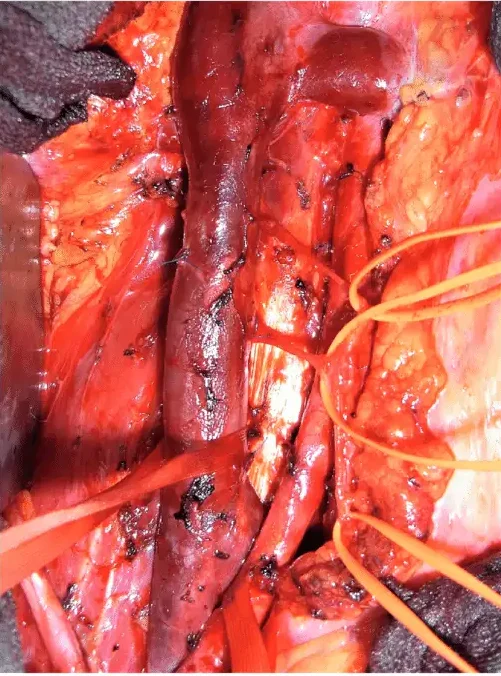
Testicular cancer may sometimes spread to lymph nodes located deep inside the abdomen. For selected patients, robotic RPLND Mumbai treatment may be considered to remove affected lymph nodes, evaluate the extent of cancer and guide further treatment. Dr. Vivek Venkat, a consultant uro-oncologist and robotic urologist at Jewel Urology Center, specialises in complex urological cancer procedures and minimally invasive surgery.
Retroperitoneal lymph node dissection (RPLND) is a specialised operation that requires detailed knowledge of abdominal anatomy and testicular cancer. A robotic approach may offer advantages for carefully selected patients, but the most appropriate treatment depends on the cancer type, its stage, previous treatment and the patient’s overall health.
What Is Retroperitoneal Lymph Node Dissection?
The retroperitoneum is the area deep inside the abdomen, behind many of the abdominal organs. It contains important structures, including the aorta, inferior vena cava, kidneys, ureters, nerves and lymph nodes.
The lymphatic drainage of the testicles follows a specific pathway toward lymph nodes in this region. As a result, these nodes can be an early site of cancer spread in patients with testicular cancer.
RPLND involves removing selected lymphatic tissue from the retroperitoneum. The procedure may be used in specific circumstances to remove residual cancer, help establish the extent of disease or guide subsequent treatment decisions.
Not every person with testicular cancer needs RPLND. Many patients are successfully treated with other approaches, including surgery to remove the affected testicle, surveillance or chemotherapy, depending on the diagnosis and stage.
What Is Robotic RPLND?
Robotic retroperitoneal lymph node dissection is a minimally invasive approach in which the surgeon operates using specialised robotic instruments controlled from a surgical console.
The robotic system does not perform surgery independently. The surgeon controls the instruments throughout the operation and makes decisions based on the patient’s anatomy and the cancer’s characteristics.
Potential features of a robotic approach include:
- Magnified three-dimensional vision: Helps the surgeon examine delicate structures.
- Flexible instrument movement: Supports precise dissection in the deep abdominal cavity.
- Small surgical incisions: May reduce wound-related discomfort compared with an open operation.
- Potential recovery advantages: Selected patients may experience less postoperative pain or a shorter recovery period, although outcomes vary.
Robotic surgery is not automatically better for every patient. Open RPLND may remain appropriate in certain complex cases, particularly when the size, location or extent of residual disease makes a minimally invasive approach unsuitable.
Who May Need Robotic RPLND?
The procedure may be considered for selected patients with testicular germ cell tumours. Possible situations include:
1. Residual Masses After Chemotherapy
Some patients have enlarged retroperitoneal lymph nodes or residual masses after chemotherapy. Depending on the tumour type, tumour markers and imaging results, surgery may be recommended to remove residual disease.
2. Selected Early-Stage Testicular Cancer
For certain patients with non-seminomatous germ cell tumours, RPLND may be considered as part of an individualised treatment strategy. The decision depends on the risk of microscopic disease, pathology findings and other clinical factors.
3. Persistent Retroperitoneal Lymph Node Disease
When cancer remains in the retroperitoneal lymph nodes, surgery may be appropriate in carefully selected cases. The oncology team must determine whether the disease can be removed safely and whether surgery offers a meaningful benefit.
4. Situations Requiring Additional Pathological Information
The lymph nodes removed during RPLND are examined by a pathologist. The findings can help clarify whether cancer is present and whether additional treatment or surveillance is required.
Treatment decisions should be made by a specialist team experienced in testicular cancer, because chemotherapy and surveillance are effective alternatives for many patients.
How Is a Patient Evaluated Before Surgery?
A thorough assessment helps determine whether robotic RPLND is appropriate. The evaluation may include:
- CT imaging: Helps assess the size and location of lymph nodes.
- Tumour marker tests: Alpha-fetoprotein (AFP), beta-human chorionic gonadotropin (β-hCG) and lactate dehydrogenase (LDH) may help assess disease activity.
- Pathology review: Confirms the tumour type and relevant features.
- Medical assessment: Evaluates general health, previous treatments and fitness for surgery.
- Treatment history: Helps the team understand the response to previous surgery or chemotherapy.
The specialist may also review fertility concerns and discuss how surgery could affect ejaculation. This is especially important for younger patients who may wish to have children in the future.
What Happens During Robotic RPLND?
The procedure is performed under general anaesthesia in a suitably equipped operating theatre.
The surgeon makes small incisions through which a camera and robotic instruments are inserted. Using the console, the surgeon carefully separates and removes the planned lymphatic tissue while identifying and protecting important blood vessels, nerves and nearby structures.
The exact area and extent of lymph node removal depend on the patient’s diagnosis, tumour location and treatment plan. The specimens are sent for pathological examination.
Because the retroperitoneum contains major blood vessels and delicate nerves, RPLND is a complex operation. It requires advanced surgical expertise, careful planning and appropriate postoperative monitoring.
Nerve-Sparing Techniques and Quality of Life
One important consideration during RPLND is preservation of the nerves involved in ejaculation, where oncologically safe and technically possible.
Nerve-sparing techniques aim to protect these structures while removing the necessary lymphatic tissue. They may help preserve normal ejaculation in selected patients, but success depends on the tumour’s location, the extent of disease and the details of previous treatment.
Patients should discuss fertility, ejaculation and sexual health with their surgeon before surgery. Fertility preservation options, including sperm banking, may be appropriate for some individuals before cancer treatment.
Meet Dr. Vivek Venkat
Dr. Vivek Venkat is a consultant uro-oncologist and robotic urologist with more than 15 years of experience in complex urological procedures, according to his official profile. His clinical interests include kidney, prostate, bladder and testicular cancers, robotic surgery and minimally invasive urology.
Qualifications and Specialist Training
His published professional background includes:
- MBBS: B. J. Medical College, Pune.
- MS in General Surgery: K. E. M. Hospital, Mumbai.
- M.Ch. in Urology: Christian Medical College (CMC), Vellore.
- Advanced fellowship training in Uro-Oncology and Robotic Surgery: University of Miami Miller School of Medicine, USA.
- ECFMG certification: United States medical certification.
Dr. Venkat has also served as an Assistant Professor of Urology and Renal Transplantation at CMC Vellore and as a Clinical Instructor in Urologic Oncology and Robotic Surgery at the University of Miami Hospital.
His experience in robotic urology and cancer surgery is relevant to patients who need specialist evaluation for complex procedures such as RPLND. The choice of operation, however, should always be based on an individual clinical assessment.
Recovery and Follow-Up After RPLND
Recovery varies according to the extent of surgery, the approach used and the patient’s general health. After the operation, the hospital team monitors pain, wound healing, bowel function, mobility and other aspects of recovery.
Possible complications include bleeding, infection, delayed bowel function, blood clots and changes in ejaculation. The surgeon will explain the risks relevant to the planned procedure and provide instructions for recovery.
Follow-up may involve reviewing pathology results, checking tumour markers, arranging imaging and deciding whether additional treatment is needed. Regular surveillance remains important even after successful surgery.
Consult Dr. Vivek Venkat at Jewel Urology Center
If you or a family member has been diagnosed with testicular cancer or has been advised to consider RPLND, a specialist consultation can help clarify the available treatment options.
Patients looking for the Best Uro Surgeon in Mumbai can consult Dr. Vivek Venkat to discuss testicular cancer, robotic surgical options and individual treatment considerations. His broader expertise also includes Robotic Adrenalectomy Surgery in Mumbai and other complex urological procedures.
📧appointments@drvivekvenkat.com
Bring available imaging reports, tumour marker results, pathology reports and details of previous treatment to help the doctor assess your case.
Frequently Asked Questions
1. What is robotic RPLND used for?
Robotic RPLND removes selected lymph nodes from the retroperitoneum in certain patients with testicular cancer. It may be recommended for residual disease after chemotherapy or other specific clinical indications.
2. Is robotic RPLND required for every testicular cancer patient?
No. Many patients are managed with removal of the affected testicle, surveillance or chemotherapy. RPLND is reserved for selected cases based on tumour type, stage, imaging, tumour markers and previous treatment.
3. What are the potential benefits of robotic RPLND?
In suitable patients, robotic surgery may allow smaller incisions, magnified vision and precise instrument movement. Recovery and complication rates vary, and some patients may be better served by open surgery.
4. Can robotic RPLND affect fertility or ejaculation?
It can affect ejaculation if nerves involved in this function are damaged. Nerve-sparing techniques may help preserve ejaculation in selected cases, but preservation is not guaranteed. Discuss fertility goals and sperm banking with your specialist before treatment.