
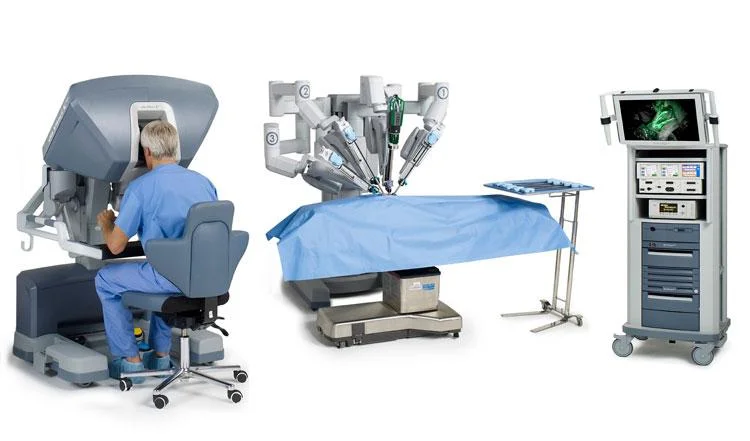
Robotic surgery has become an important option in modern gastrointestinal and colorectal surgery, particularly when procedures require precision in anatomically difficult areas. During my review of advanced surgical care in Dadar, I found that robotic techniques can offer surgeons enhanced control and precision while operating through small incisions. For patients considering Robotic surgery in Dadar, understanding the technology, potential benefits, appropriate indications and the surgeon’s specific training is essential before deciding on treatment.
What Is Robotic Surgery?
Robotic surgery is a form of minimally invasive surgery in which the surgeon controls specialised robotic instruments from a console. Instead of making a large abdominal incision, the surgeon generally operates through several small incisions using instruments and a camera.
The robotic system does not independently perform the surgery. The surgeon controls the instruments throughout the procedure. According to the reference information, robotic instruments can reproduce the surgeon’s wrist-like movements, reduce unwanted tremor and provide precise instrument control.
Like laparoscopic surgery, robotic surgery may offer advantages associated with minimally invasive approaches, including smaller incisions, potentially less postoperative pain, faster recovery and shorter hospitalisation in appropriately selected cases. However, these benefits can vary depending on the procedure, patient’s health and complexity of the disease.
Robotic Surgery in Dadar: Why Is It Used for Colorectal Conditions?
The technology can be particularly useful in colorectal surgery because certain parts of the bowel and rectum are located in anatomically confined areas.
Rectal cancer surgery is one example. The rectum lies deep within the pelvis and is surrounded by important structures, including the urinary bladder and reproductive organs. The reference page explains that the precision of robotic instruments can help the surgeon work around these structures while performing the required cancer operation.
Dr. Chintamani Godbole has specialised training in robotic surgery for rectal cancer and has an interest in sphincter-preserving strategies, including inter-sphincteric resection.
The decision to use robotic surgery is nevertheless individualised. Open, laparoscopic and robotic approaches each have their place in colorectal surgery, and the recommended technique depends on the diagnosis, tumour location, previous operations, anatomy and overall health.
Conditions That May Be Treated With Robotic Techniques
Robotic and laparoscopic colorectal surgery can be used for selected patients with conditions affecting the colon and rectum. These may include colorectal cancers and certain benign colorectal diseases.
Dr. Chintamani Godbole’s areas of expertise include robotic and laparoscopic surgery for colon and rectal cancer, sphincter-preserving surgery for rectal cancer, surgery for ulcerative colitis and Crohn’s disease, pelvic-floor disorders and complex fistula-in-ano.
For cancer patients, the primary objective remains appropriate cancer clearance. Robotic technology is a surgical platform that may assist the surgeon in achieving the required operation; it does not replace surgical judgement or cancer treatment planning.
How Robotic Colorectal Surgery Works
Before surgery, the patient undergoes clinical assessment and appropriate investigations. For colorectal cancer, these may include imaging, colonoscopy, pathology review and staging investigations.
During robotic surgery, several small incisions are made to allow specialised instruments and a camera to enter the abdomen. The surgeon sits at a console and controls the robotic instruments.
The magnified view and articulated instruments can be particularly useful when operating in narrow anatomical spaces. This is one reason robotic surgery can be considered for selected rectal cancer procedures.
After surgery, patients are monitored for recovery, bowel function, pain control and other potential complications. The duration of hospitalisation and return to normal activities vary according to the procedure and individual recovery.
Dr. Chintamani Godbole: Qualifications and Clinical Experience
Dr. Chintamani Godbole is a Consultant GI and Colorectal Surgeon with a dedicated interest in colorectal surgery, robotic colorectal surgery and colon and rectal cancer. His qualifications include MBBS and MS in General Surgery, followed by DNB in Surgical Gastroenterology. He also holds MRCS and FRCS from the Royal College of Surgeons of Edinburgh.
His advanced international training includes a Fellowship in Robotic Colorectal Surgery in Coventry, UK, and a Fellowship in Colorectal and Peritoneal Oncology in Basingstoke, UK. He also worked in the UK for approximately five years, gaining experience in minimally invasive colorectal surgery, colorectal cancer surgery and peritoneal surface oncology.
According to his professional profile, Dr. Chintamani Godbole has more than 10 years of experience and has performed more than 200 minimally invasive colorectal surgeries. He has also performed more than 50 cytoreductive surgeries and HIPEC procedures for advanced peritoneal cancers.
Expertise in Sphincter-Preserving Surgery
One area of Dr. Chintamani Godbole’s specialised practice is sphincter-preserving surgery for rectal cancer.
The sphincter muscles play an important role in bowel control. In selected patients with rectal cancer, preserving these structures may be possible depending on tumour location, extent, anatomy and other clinical factors.
Dr. Chintamani Godbole’s robotic-surgery training and experience include sphincter-preservation strategies such as inter-sphincteric resection. Whether such an approach is suitable can only be determined after detailed assessment and cancer staging.
The Clinical Environment at Gadre Hospital
Dr. Chintamani Godbole consults at Gadre Hospital near Hindmata Cinema in Dadar East, Mumbai. The hospital serves as the local clinical setting for consultations and surgical care.
His professional profile describes a patient-focused approach involving direct communication with patients and relatives. He is also affiliated with multiple hospitals in Mumbai, including Jaslok Hospital, Sir H. N. Reliance Foundation Hospital, Breach Candy Hospital and Wockhardt Hospitals.
For patients seeking Robotic surgery in Dadar, having a consultation with a colorectal specialist can help clarify whether robotic, laparoscopic or open surgery is appropriate for their specific condition.
Why Choose a Colorectal Surgeon in Mumbai?
Colorectal surgery involves specialised management of diseases affecting the colon, rectum and anus. Cancer surgery can be particularly complex because the surgeon must balance adequate removal of the tumour with preservation of important surrounding structures whenever medically possible.
A Colorectal Surgeon in Mumbai with dedicated training in robotic and minimally invasive surgery can assess the patient’s diagnosis and explain the available surgical approaches.
Dr. Chintamani Godbole’s training in colorectal surgery in the UK, fellowship in robotic colorectal surgery and experience in peritoneal oncology provide a specialised background for patients requiring complex colorectal procedures. His professional profile also notes involvement in research and publications in peer-reviewed journals.
Potential Benefits and Limitations
Potential advantages of minimally invasive robotic surgery may include smaller surgical incisions, less tissue disruption, reduced postoperative pain, shorter hospital stays and faster recovery compared with some traditional open procedures.
However, robotic surgery is not automatically better for every patient. It may not be appropriate when the disease is particularly extensive, when a patient’s anatomy or previous operations create challenges, or when another surgical approach is considered safer.
Patients should discuss the expected benefits, risks, alternatives, recovery period and potential complications with their surgeon before treatment.
Recovery After Robotic Surgery
Recovery depends on the type of colorectal procedure performed. After surgery, the medical team monitors bowel function, wound healing, nutrition, mobility and pain.
Patients may gradually return to normal activities as their recovery progresses. The treating surgeon provides specific instructions regarding diet, physical activity, wound care and follow-up.
Cancer patients may also require additional treatment such as chemotherapy or radiation depending on the tumour type and stage. Surgery is therefore often one component of a broader multidisciplinary cancer-treatment plan.
Frequently Asked Questions
1. What is robotic colorectal surgery?
Robotic colorectal surgery is a minimally invasive surgical technique in which a surgeon controls specialised robotic instruments through a console. It can be used for selected colon and rectal procedures, including certain colorectal cancer operations.
2. Is robotic surgery suitable for rectal cancer?
Robotic surgery can be considered for selected rectal cancer patients. The technology may provide enhanced precision when operating deep within the pelvis. Suitability depends on tumour location, stage, anatomy and the patient’s overall condition.
3. What are the advantages of robotic surgery?
Potential advantages include smaller incisions, less postoperative pain, shorter hospitalisation and faster recovery compared with some open procedures. Results vary according to the operation and individual patient.
4. Does Dr. Chintamani Godbole perform robotic colorectal surgery?
Yes. Dr. Chintamani Godbole’s professional profile lists robotic and laparoscopic surgery for colon and rectal cancer among his areas of expertise. He has also completed a Fellowship in Robotic Colorectal Surgery in Coventry, UK.
Consultation, Directions and CTA
📞+91 8108791470 | ☎️ +91 8451865944 (In case of emergency)
📧 drchintamanigodbole@gmail.com
📍Get Directions to the Clinic – Gadre Hospital, Mumbai
If you have been diagnosed with colorectal cancer or another condition requiring colorectal surgery, contact Dr. Chintamani Godbole to discuss your reports, surgical options and whether a minimally invasive or robotic approach may be appropriate for you.