
Persistent nasal blockage, difficulty breathing through one or both nostrils, snoring, and disturbed sleep can affect everyday comfort and quality of life. One possible cause is a deviated nasal septum, a condition in which the thin wall separating the nasal passages is displaced from the centre. When this structural problem causes significant symptoms and medication does not provide sufficient relief, septoplasty in mumbai may be considered following an ENT evaluation. Dr. Shama Kovale, an experienced ENT specialist at Kokilaben Dhirubhai Ambani Hospital, provides assessment and treatment for nasal airway conditions, including a deviated septum.
Understanding the condition, available treatment options, and recovery process can help patients make informed decisions about their nasal health.
What Is Septoplasty?
Septoplasty is a surgical procedure performed to straighten or reposition the nasal septum. The septum consists of cartilage and bone that divide the nose into two passages. If it is significantly deviated, it may narrow one or both passages and interfere with normal airflow.
A deviated septum may be present from birth or develop following an injury to the nose. Not every deviation requires surgery. Treatment depends on the severity of symptoms, the findings during examination, and how much the condition affects daily activities.
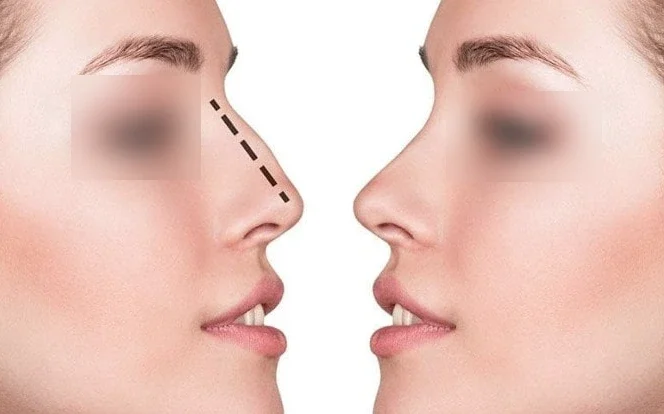
Septoplasty primarily aims to improve nasal function. It is different from rhinoplasty, which changes the external appearance of the nose, although both procedures may sometimes be performed together when medically appropriate.
Common Signs of a Deviated Nasal Septum
Symptoms can vary from person to person. Some individuals may have a deviated septum without noticeable problems, while others experience persistent discomfort.
Common symptoms include:
- Difficulty breathing through one or both nostrils.
- Frequent or persistent nasal congestion.
- Mouth breathing, particularly during sleep.
- Snoring or disrupted sleep associated with nasal obstruction.
- Recurrent nosebleeds in some cases.
- Facial pressure or symptoms occurring alongside sinus problems.
- Reduced comfort during exercise or other physical activities.
These symptoms can also occur with allergies, enlarged nasal turbinates, sinusitis, or other nasal conditions. A professional examination is important to identify the underlying cause rather than assuming that every blocked nose is due to a septal deviation.
When Should You Consider Septoplasty?
An ENT specialist may recommend septoplasty when a deviated septum causes persistent nasal obstruction or other significant symptoms and conservative treatment has not provided adequate relief.
Depending on the diagnosis, medication such as nasal sprays or allergy treatment may help manage inflammation, but it cannot physically straighten a deviated septum. Surgery may be appropriate when the structural narrowing remains a major contributor to symptoms.
The decision is individualised. Your doctor will consider your medical history, symptom severity, examination findings, general health, and expectations before recommending surgery.
How Is Septoplasty Diagnosed?
Accurate diagnosis helps determine whether surgery is likely to improve nasal airflow. Dr. Shama Kovale’s septoplasty assessment may include:
Medical history: Your doctor will ask about nasal blockage, breathing difficulties, sleep disturbances, previous nasal injuries, allergies, and treatments already tried.
Nasal examination: The nose is examined to assess the septum and identify visible structural abnormalities.
Nasal endoscopy: A small endoscopic instrument may be used to examine the nasal passages more closely and assess associated problems, such as enlarged turbinates or signs of sinus disease.
Additional investigations: Imaging may be recommended when clinically necessary, particularly if another nasal or sinus condition is suspected. A CT scan is not required for every patient undergoing septoplasty.
The results help the specialist establish whether septoplasty alone is appropriate or whether another treatment should also be considered.
What Happens During Septoplasty Surgery?
Septoplasty is generally performed through the nostrils, so an external incision is usually unnecessary. The surgeon carefully lifts the lining covering the septum, reshapes or repositions the deviated cartilage and bone, and places the lining back into position.
The procedure is commonly performed under general anaesthesia, although the appropriate anaesthetic approach depends on the patient and the planned surgery. The duration, need for nasal splints or packing, and whether the patient can go home the same day depend on individual circumstances and hospital protocols.
If enlarged turbinates or a separate sinus condition also contribute to obstruction, the specialist may discuss additional treatment where indicated.
Recovery After Septoplasty
Recovery varies according to the extent of surgery and the individual’s healing process. Temporary nasal congestion, mild bleeding or blood-stained discharge, swelling, and discomfort can occur during the early recovery period.
Patients should follow their surgeon’s instructions carefully. General aftercare may include:
- Resting and avoiding strenuous exercise until cleared.
- Avoiding nose blowing for the period advised by the surgeon.
- Using saline rinses or prescribed medication as directed.
- Attending scheduled follow-up appointments.
- Avoiding activities that may injure the nose during healing.
Many patients return to light daily activities within about a week, but complete internal healing takes longer. Nasal breathing may initially feel unchanged or even more blocked because of swelling and crusting. Improvement develops as healing progresses.
Contact your medical team if symptoms worsen unexpectedly. Heavy or persistent bleeding, fever, severe increasing pain, or breathing difficulties require prompt medical attention.
Benefits and Possible Risks of Septoplasty
For appropriately selected patients, septoplasty may improve nasal airflow, reduce obstruction caused by the deviated septum, and make nasal breathing more comfortable. Some patients may also experience improvements in sleep or associated symptoms, depending on the underlying cause.
As with any surgery, septoplasty has potential risks. These may include bleeding, infection, persistent blockage, septal perforation, altered sense of smell, adhesions inside the nose, or the need for further treatment. Results cannot be guaranteed, especially when allergies, sinus disease, or other conditions contribute to symptoms.
A detailed consultation helps patients understand the expected benefits, limitations, and risks relevant to their situation.
Why Consult Dr. Shama Kovale for Septoplasty?
Dr. Shama Kovale is a senior ENT consultant at Kokilaben Dhirubhai Ambani Hospital in Andheri West, Mumbai. According to her professional profile, she has more than 23 years of experience in ENT care, with expertise spanning nasal and sinus disorders, endoscopic ENT surgery, voice and swallowing conditions, and airway management.
Her listed qualifications include MBBS, DLO, and MS in ENT from B.Y.L. Nair Hospital, Mumbai. Her professional training also includes advanced exposure to endoscopic sinus surgery and ear microsurgery, along with fellowships and training associated with UC Davis in the United States and Hinduja Hospital in India.
Her approach emphasises careful assessment, clear communication, and an individualised treatment plan. Patients can discuss their symptoms, diagnostic findings, surgical options, and recovery expectations before deciding on treatment.
For people searching online for the Best ENT in Mumbai or looking for ENT Specialists Near Me in Mumbai, choosing a specialist who can evaluate the cause of nasal obstruction is an important step. Kokilaben Dhirubhai Ambani Hospital provides a hospital-based setting for specialist consultation, diagnostic assessment, surgical care when indicated, and follow-up.
Schedule Your Consultation Today
If nasal blockage is affecting your sleep, comfort, or everyday activities, arrange an ENT assessment to understand the cause and explore suitable treatment options. Dr. Shama Kovale can evaluate whether septoplasty or another approach may be appropriate for your condition.
Consult Dr. Shama Kovale at Kokilaben Dhirubhai Ambani Hospital for timely evaluation and expert ENT care.
Give Us a Ring: +91-91528 50769
Email: drshamakovaleent@gmail.com
Frequently Asked Questions (FAQs)
1. Is septoplasty performed to improve breathing?
Yes. Septoplasty is intended to correct a deviated nasal septum that contributes to nasal obstruction. The extent of improvement depends on the cause of the blockage and whether other conditions, such as allergies or enlarged turbinates, are also present.
2. Is septoplasty a major surgery?
Septoplasty is a commonly performed ENT procedure, but it is still surgery and carries potential risks. The anaesthesia, surgical plan, recovery arrangements, and need for hospital observation depend on the patient’s health and the complexity of the procedure.
3. How long does it take to recover from septoplasty?
Many patients resume light activities within approximately five to seven days, although recovery varies. Congestion and swelling can persist for several weeks, and full healing takes longer. Follow your surgeon’s specific aftercare instructions.
4. Does septoplasty change the shape of the nose?
Septoplasty focuses on correcting the internal nasal septum and usually does not change the external shape of the nose. If an external structural change is needed, rhinoplasty or a combined procedure may be discussed separately with the surgeon.