
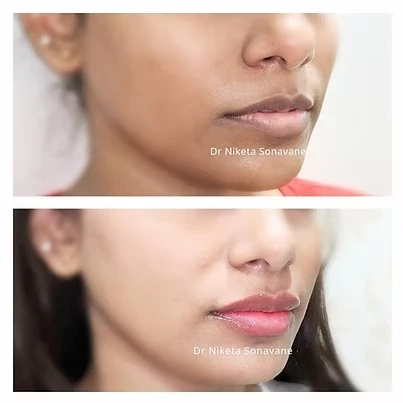
As a medical journalist researching aesthetic dermatology in Mumbai, I found that uneven skin tone, tanning, pigmentation and dark spots are common concerns among people exposed to the city’s strong sunlight and environmental factors. Rather than focusing simply on changing a person’s natural complexion, modern dermatological approaches generally aim to address pigmentation, sun damage and uneven tone while supporting overall skin health. At Ambrosia Aesthetics, Dr. Niketa Sonavane provides personalised dermatological and cosmetic care for those considering Skin whitening treatment in Mumbai, based on individual skin concerns, skin type and treatment suitability. Her practice includes pigmentation management, chemical peels, laser-based treatments and other aesthetic dermatology procedures.
What Is Skin Whitening Treatment?
The term skin whitening or skin lightening is commonly used for treatments intended to reduce pigmentation, dark spots, tanning and uneven skin tone. According to the reference information from Dr. Niketa Sonavane’s practice, these treatments can be used for concerns affecting the face as well as areas such as the underarms, knees, inner thighs and lips. The objective may be to achieve a more even and brighter appearance rather than simply changing a person’s natural skin colour.
Sun exposure is one factor that can contribute to tanning and pigmentation. Hormonal changes, acne-related pigmentation, inflammation and other underlying conditions can also affect skin colour. Therefore, identifying the cause of pigmentation is an important part of treatment planning.
For people considering Skin whitening treatment in Mumbai, consultation with a qualified dermatologist can help establish whether pigmentation is related to sun exposure, melasma, post-inflammatory changes or another skin condition before treatment begins.
Skin Whitening Treatment in Mumbai: Options Available
There is no single procedure suitable for every patient. Dr. Niketa Sonavane’s practice describes several approaches that may be considered depending on the patient’s skin type and concerns.
Glutathione-Based Treatments
The reference material describes glutathione as an antioxidant used in skin-lightening treatments and mentions injectable or IV approaches. At Ambrosia Aesthetics, the described IV formulation includes glutathione along with vitamin C, collagen and other antioxidants, with dosing determined according to individual factors.
However, injectable or IV treatments should not be viewed as universally appropriate or risk-free. Their suitability, formulation, dosage and potential adverse effects should be assessed by a qualified medical professional. Patients should discuss their medical history, medications, allergies and expectations before undergoing any injectable treatment.
Chemical Peels
Chemical peels use carefully selected solutions to exfoliate superficial layers of the skin and improve the appearance of pigmentation and uneven tone. The reference material describes formulations containing vitamins, antioxidants and exfoliating AHAs or BHAs, with ingredients such as arbutin, kojic acid, resorcinol and peptides used in certain pigmentation-focused preparations.
The intensity of a peel depends on the formulation and the patient’s skin. A mild peel may cause temporary stinging, while stronger pigmentation treatments can result in visible exfoliation for several days. The reference information states that improvement in skin colour and texture may become noticeable over approximately 7 to 14 days.
Laser-Based Skin Treatments
Laser technology may be considered for selected pigmentation and skin-tone concerns. The dermatologist-in-Mumbai reference page emphasises that laser treatment should be recommended only after analysing the patient’s skin because some laser procedures may not be appropriate for every skin type.
This assessment is particularly relevant for Indian skin, where inappropriate laser settings can potentially aggravate pigmentation. Treatment parameters should therefore be selected according to skin type, pigmentation pattern and clinical diagnosis rather than applying the same settings to every patient.
Dr. Niketa Sonavane’s Qualifications and Clinical Experience
Dr. Niketa Sonavane completed her MBBS with distinction in 2004 and subsequently completed a Diploma in Dermatology and Venereology (DDV) at Topiwala National Medical College and BYL Nair Hospital, Mumbai. The profile states that she has been practising as a skin specialist since 2005 and has more than 17 years of experience in skin and hair treatments.
Her professional training also includes international exposure. Between 2011 and 2014, she travelled internationally for fellowships and personalised training with dermatologists and plastic surgeons. The profile lists training with specialists from Australia, Singapore, Brazil, the UK, France, Spain, Canada and Germany.
The practice describes Dr. Niketa Sonavane’s approach as holistic, with attention to possible internal factors affecting skin and hair health. Her treatment philosophy involves analysing individual concerns and developing personalised plans rather than relying on one standard procedure for every patient.
For patients researching a Top Dermatologist in Mumbai, qualifications, relevant experience, treatment-specific expertise and the ability to individualise treatment are important considerations.
Expertise in Pigmentation and Skin Rejuvenation
Dr. Niketa Sonavane’s dermatology practice covers medical and cosmetic skin concerns, including pigmentation, acne, acne scars, skin ageing, hair loss and other dermatological conditions. The practice also lists chemical peels, laser skin treatments, skin tightening, dermal fillers and other aesthetic procedures.
Her skin-lightening treatment page specifically discusses pigmentation, dark spots, melasma, tanning and uneven skin tone. The practice also describes treatment options for specific body areas, including the face, underarms, knees, inner thighs and lips.
The important distinction is that pigmentation should first be assessed medically. A dark patch may have different causes, and treatment that is effective for sun-induced tanning may not be appropriate for melasma or post-inflammatory pigmentation.
Clinic Environment at Ambrosia Aesthetics
Ambrosia Aesthetics is presented as a dermatology and aesthetic clinic offering both medical and cosmetic skin and hair treatments. The dermatologist profile describes personalised treatment planning based on individual skin, hair and body requirements.
Patient feedback published on the practice website frequently mentions detailed consultations, explanations of treatment options and a professional clinic team. While such reviews represent individual experiences rather than clinical evidence, they provide some insight into the patient-facing environment described by the practice.
The clinic is located at Ambrosia Aesthetics, 514–515, Kamdhenu 1, 1st Cross Lane, Lokhandwala Complex, Andheri West, Mumbai, Maharashtra 400053.
Benefits and Risks
Potential benefits of appropriately selected pigmentation and skin-lightening procedures may include reduced tanning, improvement in dark spots and a more even-looking complexion. Results depend on the underlying cause of pigmentation, skin type, treatment modality and adherence to aftercare.
Potential risks vary between procedures. Peels can cause temporary redness, irritation, dryness or excessive peeling. Laser procedures can cause irritation and, when unsuitable settings are used, may worsen pigmentation. Injectable or IV treatments also have procedure-specific risks and should be undertaken only after appropriate medical assessment.
Patients should avoid self-administering skin-lightening products or undergoing unregulated injections. Sun protection is particularly important because continued ultraviolet exposure can contribute to recurring pigmentation.
Choosing a Dermatologist for Skin Lightening
When selecting a Dermatologist in Mumbai, patients should consider formal dermatology qualifications, experience with pigmentation and the specific technology being proposed. It is also useful to ask whether the treatment is appropriate for their skin type, how many sessions may be required, what side effects are possible and what maintenance or sun-protection measures are recommended.
For Skin whitening treatment in Mumbai, Dr. Niketa Sonavane’s practice offers several treatment modalities that may be selected according to individual pigmentation concerns and skin characteristics. A consultation can help determine whether a peel, laser-based procedure, topical regimen or another approach is appropriate.
Consultation and CTA
Patients interested in discussing pigmentation, tanning, uneven skin tone or aesthetic skin concerns can contact Dr. Niketa Sonavane at Ambrosia Aesthetics.
📞 9930993600 | 9930992400
📧 dr.niketa@live.com
Get Directions to the Clinic – Ambrosia Aesthetics, Mumbai
If you are considering pigmentation or skin-lightening treatment, contact Dr. Niketa Sonavane for an individual skin assessment. The clinic can provide directions to the Ambrosia Aesthetics location and help you understand which treatment options may be suitable for your skin.
FAQs
1. What is the purpose of skin whitening treatment?
Skin-lightening procedures are generally used to address concerns such as tanning, hyperpigmentation, dark spots, melasma and uneven skin tone. The appropriate treatment depends on the underlying cause and the patient’s skin type.
2. Which treatments can be used for skin lightening?
Depending on the individual case, options may include chemical peels, laser-based treatments and certain glutathione-based therapies. A dermatologist should determine which option is appropriate after evaluating the patient’s skin.
3. Is laser treatment suitable for every skin type?
No. The dermatologist-in-Mumbai reference specifically notes that laser treatments should be selected carefully after analysing the patient’s skin because unsuitable treatment may aggravate pigmentation.
4. How long does it take to see results?
The timeline varies according to the treatment and pigmentation being addressed. For the chemical peels described by the practice, changes in skin colour and texture may become noticeable over approximately 7 to 14 days, while other treatments may require multiple sessions.