
Back pain, neck pain, slipped discs, spinal deformities, and nerve-related symptoms can significantly affect mobility and quality of life. While occasional discomfort may improve with rest and conservative care, persistent or worsening symptoms may require evaluation by a dedicated spine specialist.
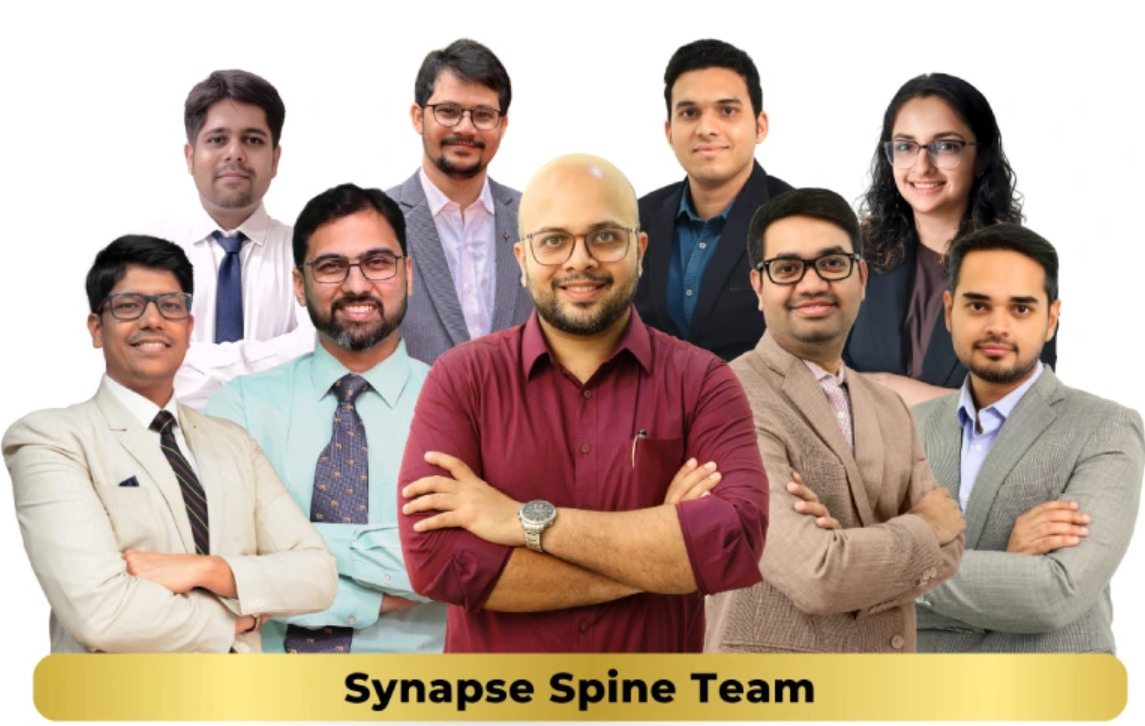
Synapse Spine is a specialised spine-care practice focused on the diagnosis and treatment of a broad range of spinal conditions. With an emphasis on personalised assessment, evidence-based treatment, and advanced surgical and non-surgical approaches, Synapse Spine provides comprehensive care for patients with back and neck problems.
For patients searching for a spine specialist mumbai, choosing a dedicated spine centre can help ensure that the underlying condition is properly evaluated and the treatment plan is tailored to individual needs.
What Does a Spine Specialist Do?
A spine specialist evaluates conditions affecting the spinal column, discs, nerves, muscles, and surrounding structures. Spine problems can have many different causes, so treatment should begin with an accurate diagnosis rather than simply addressing pain.
Depending on the condition, a spine specialist may recommend conservative treatment such as physiotherapy, medication, activity modification, or targeted interventions. Surgery may be considered when symptoms are severe, neurological problems are present, or non-surgical treatment has not provided adequate relief.
Synapse Spine takes an individualised approach, with treatment decisions based on the patient’s symptoms, examination findings, imaging, lifestyle, and functional requirements.
Common Spine Conditions Treated
Spinal conditions vary considerably in their causes and severity. Some of the commonly encountered problems include:
- Slip disc or herniated disc
- Sciatica
- Spinal stenosis
- Spondylosis
- Degenerative disc disease
- Neck and back pain
- Cervical spine disorders
- Lumbar spine disorders
- Spinal fractures
- Spinal deformities
- Scoliosis
- Spinal infections and tumours
- Nerve compression
- Conditions requiring spinal fusion
Some patients experience pain alone, while others may develop numbness, tingling, weakness, or pain radiating into the arms or legs. These neurological symptoms may require more detailed evaluation.
Why Early Spine Evaluation Matters
Persistent back or neck pain should not always be dismissed as a normal consequence of ageing or a temporary muscle problem. Pain accompanied by numbness, weakness, difficulty walking, or changes in bladder or bowel function requires prompt medical assessment.
A specialist consultation can help determine whether symptoms originate from the discs, nerves, joints, spinal cord, muscles, or another structure.
Early diagnosis can also help identify patients who may benefit from conservative treatment before their condition becomes more difficult to manage.
Conservative Spine Treatment
Not every spine condition requires surgery. Depending on the diagnosis, conservative treatment may be recommended as the first step.
Treatment can include:
- Physiotherapy
- Exercise-based rehabilitation
- Posture and ergonomic advice
- Medication where medically appropriate
- Activity modification
- Lifestyle changes
- Targeted pain-management procedures in selected cases
The goal of conservative care is to reduce symptoms, improve movement and function, and help patients return to their daily activities.
At Synapse Spine, treatment is tailored to the individual rather than following a one-size-fits-all approach.
When Is Spine Surgery Considered?
Surgery is generally considered when there is a clear structural problem that is causing significant symptoms or neurological compromise, particularly when appropriate non-surgical treatment has failed.
Examples may include severe nerve compression, spinal instability, certain fractures, progressive neurological deficits, significant spinal deformity, or advanced degenerative conditions.
A detailed clinical assessment and appropriate imaging help the spine team determine whether surgery is necessary and which procedure would be most suitable.
Advanced Spine Surgery at Synapse Spine
Synapse Spine provides specialised surgical care for patients requiring operative treatment. Depending on the condition, surgical options may include decompression procedures, discectomy, spinal fusion, and other advanced spinal procedures.
Spinal fusion, for example, may be considered when stability needs to be restored in a particular segment of the spine. The procedure involves joining two or more vertebrae so that the affected spinal segment becomes stable.
The specific surgical approach depends on the patient’s diagnosis, anatomy, symptoms, imaging findings, and overall health.
Patients looking for a spine specialist Doctor in Mumbai can consult the Synapse Spine team to understand whether conservative management or surgery is appropriate for their condition.
A Patient-Focused Approach to Spine Care
Spine treatment requires more than simply identifying an abnormality on an MRI scan. Imaging findings need to be considered alongside symptoms, physical examination, neurological status, and functional limitations.
At Synapse Spine, the objective is to understand the complete clinical picture before recommending treatment. This approach helps ensure that interventions are directed toward the actual source of symptoms.
Patients are also guided through their treatment options so that they can understand the potential benefits, limitations, risks, and expected recovery associated with different approaches.
Expertise Across Spine Conditions
Synapse Spine focuses exclusively on spine-related problems, allowing patients to access specialised care for both common and complex spinal disorders.
The practice provides treatment for conditions affecting the cervical, thoracic, and lumbar spine. Its expertise covers both non-surgical management and advanced surgical procedures when required.
This specialised focus can be particularly valuable for patients who have persistent symptoms, recurrent problems, or complex spinal conditions requiring a multidisciplinary approach.
Minimally Invasive Spine Surgery
Advances in spinal surgery have led to the development and wider use of minimally invasive techniques for selected conditions. These procedures aim to minimise disruption to surrounding tissues while allowing the surgeon to address the underlying spinal problem.
Potential advantages for appropriately selected patients may include smaller incisions, reduced tissue trauma, less postoperative discomfort, and faster recovery.
However, minimally invasive surgery is not suitable for every patient. The ideal technique depends on the condition being treated and the surgeon’s assessment.
Why Choose a Dedicated Spine Centre?
A dedicated spine centre can provide a focused approach to spinal disorders, from diagnosis through rehabilitation. Patients can receive specialist guidance regarding imaging, conservative treatment, surgical options, and postoperative recovery.
Synapse Spine’s specialised focus enables patients to seek care for a wide range of spinal conditions under one clinical practice.
For individuals searching for a spine surgeon in mumbai, it is important to consider the surgeon’s expertise, the complexity of the condition, available treatment options, and the overall approach to patient care.
Rehabilitation and Recovery
Spine treatment does not necessarily end after a procedure. Rehabilitation can be an important part of recovery, helping patients gradually restore strength, mobility, flexibility, and confidence.
The rehabilitation plan depends on the procedure performed and the patient’s condition. Patients may receive guidance regarding movement, activity restrictions, exercises, posture, and the gradual return to normal activities.
Following postoperative instructions carefully can support recovery and help patients avoid unnecessary strain during the healing period.
When Should You Consult a Spine Specialist?
You should consider a specialist evaluation if you experience persistent back or neck pain, pain radiating into the arms or legs, recurrent episodes of sciatica, numbness, tingling, muscle weakness, difficulty walking, or pain that interferes with daily activities.
A consultation is also appropriate when symptoms continue despite physiotherapy, medication, or other conservative treatment.
Immediate medical evaluation is especially important when severe weakness, significant neurological changes, or new bladder or bowel problems occur.
Why Synapse Spine?
Synapse Spine is dedicated to providing specialised spine care with an emphasis on accurate diagnosis, personalised treatment, and modern surgical techniques where appropriate.
The practice focuses on helping patients understand their condition and choose a treatment pathway suited to their individual needs. Whether the recommended approach involves conservative care, rehabilitation, an injection-based treatment, or surgery, treatment planning is based on the patient’s clinical presentation.
If you are searching for a spine specialist mumbai, Synapse Spine can provide specialist assessment for a broad range of spinal conditions and help you understand your available treatment options.
Contact Synapse Spine
Take the first step toward better spinal health with specialised care from the Synapse Spine team.
Frequently Asked Questions
1. When should I see a spine specialist?
You should consider seeing a spine specialist when back or neck pain persists, repeatedly returns, affects your daily activities, or is accompanied by symptoms such as numbness, tingling, weakness, or radiating pain into the arms or legs.
2. Does every back pain problem require surgery?
No. Many spinal conditions can initially be managed with conservative approaches such as physiotherapy, exercise, medication, activity modification, and other non-surgical treatments. Surgery is considered when there is a specific indication or when appropriate conservative treatment has not provided sufficient relief.
3. What conditions can a spine specialist treat?
A spine specialist can evaluate conditions such as slipped or herniated discs, sciatica, spinal stenosis, spondylosis, degenerative disc disease, spinal deformities, fractures, nerve compression, and other cervical, thoracic, and lumbar spine disorders.
4. How do I know whether I need spine surgery?
The need for surgery depends on your symptoms, physical examination, imaging results, neurological findings, underlying condition, and response to non-surgical treatment. A spine specialist can assess these factors and explain whether surgery is appropriate and what alternatives may be available.